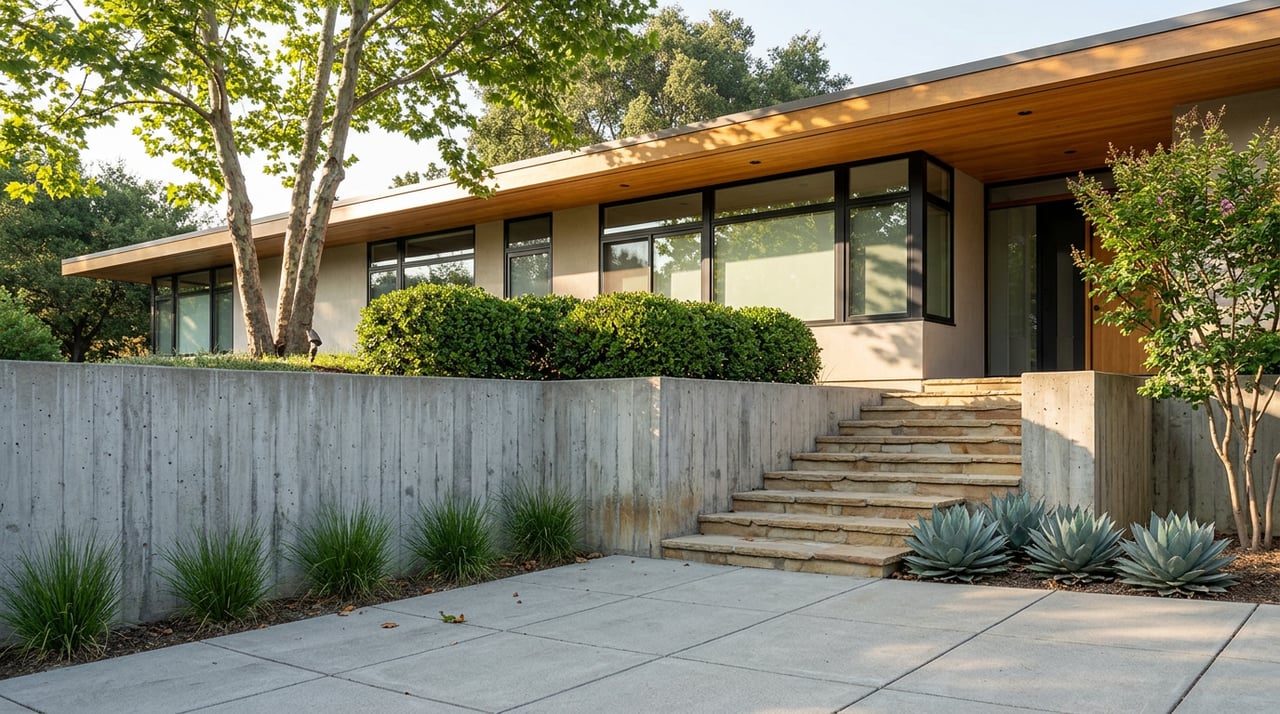
Claremont doesn't throw brutal winters or hurricane season at its homeowners, and it's easy to let that lull you into skipping maintenance altogether. But Claremont's climate has its own particular demands. Long, dry, often triple-digit summers. A concentrated, sometimes intense rainy season packed mostly into December through February. Santa Ana winds every fall that can turn a dry hillside into a real fire concern. A mature, decades-old tree canopy that needs regular attention to stay healthy and safe. None of it is dramatic on its own, but it adds up, and homeowners who stay ahead of it tend to avoid the expensive surprises that come from ignoring it.
Here's a real, season-by-season breakdown of what actually needs attention if you own a home in Claremont, based on how this specific climate behaves rather than a generic national checklist.
Spring in Claremont (March Through May)
Spring is when Claremont starts drying out after its wettest stretch of the year, and it's the ideal window to catch anything the winter rains left behind before the heat sets in.
Check your roof and gutters. February is typically Claremont's wettest month, so early spring is the right time to inspect your roof for any damage the rainy season may have caused and clear gutters and downspouts of debris before they sit unused all summer. A clogged gutter you don't notice until next December is a much bigger problem than one you clean out now.
Get ahead of irrigation. Claremont's dry season effectively runs from April through November, with next to no rainfall between June and August. Spring is when irrigation systems should get tested, not August when you discover a broken sprinkler head has been running your water bill up for weeks. Check for leaks, adjust sprinkler heads that have drifted out of position, and consider a smart irrigation controller if you don't already have one, since it can meaningfully cut water waste across a stretch of months with essentially zero rain.
Service your air conditioning before you need it. Claremont's summer highs regularly push past 90°F and can climb above 100°F on the hottest days. Having an HVAC technician check refrigerant levels, clean coils, and replace filters in the spring means you're not calling for emergency service during the first heat wave of the year, when every other Claremont homeowner is calling too.
Handle tree care while it's mild. Claremont's tree-lined streets are part of what makes the city what it is, and mature trees need periodic attention: dead limb removal, canopy thinning, and a general health check. Spring, before the peak heat and before fall's wind season, is a good window for this kind of work.
Summer in Claremont (June Through August)
Summer in Claremont is about managing heat and drought stress, both for your home and your landscaping.
Watch your irrigation closely. With virtually no rainfall from June through August, your landscaping is entirely dependent on whatever irrigation schedule you've set. Check it periodically rather than assuming it's still working correctly, since a stuck valve or a broken line in July can kill mature landscaping fast, and replacing established plants is far more expensive than a mid-summer irrigation check.
Keep an eye on exterior wood and paint. Intense, direct summer sun in Claremont is hard on exterior paint, wood trim, and deck surfaces. If you're noticing peeling, fading, or cracking, summer is actually a reasonable time to schedule exterior painting or resealing work, since the dry conditions help with proper curing.
Start thinking about defensible space early. Fire season in Southern California typically ramps up as the year goes on, and Claremont sits close enough to the foothills that defensible space matters, clearing dry brush, keeping vegetation trimmed back from structures, and removing dead plant material before it becomes fuel. Doing this work in summer, before the Santa Ana winds of fall arrive, is safer and less rushed than trying to handle it once wind advisories are already in effect.
Check attic and crawlspace ventilation. Claremont homes with older or less-efficient ventilation can trap significant heat in the attic during summer months, which drives up cooling costs and puts extra strain on roofing materials. A quick check of vents and insulation is worth the effort during the hottest stretch of the year.
Fall in Claremont (September Through November)
Fall is arguably the most important maintenance season in Claremont, because it's when Santa Ana wind events become a real factor and when you need to be ready for the return of winter rain.
Take Santa Ana winds seriously. Claremont regularly experiences gusty Santa Ana wind events in the fall, and they can bring real fire danger to the nearby foothill areas. This is the time to finish any defensible space work you didn't get to in summer, trim back tree limbs that hang near rooflines or power lines, and secure or store any loose outdoor items that could become debris in a serious wind event.
Clean gutters and check your roof again. With Claremont's rainy season concentrated heavily into December through February, fall is your last real chance to clear gutters, check for loose or damaged roofing, and confirm downspouts are directing water away from your foundation before the rain actually arrives. This is one of the most consistently overlooked steps, and it's also one of the cheapest problems to prevent and one of the most expensive to fix after the fact.
Service your heating system. Claremont winters are mild by national standards, with average lows in the low 40s, but that's still cold enough that a functioning heating system matters, especially for older homes. Fall is the time to have it inspected before you're relying on it.
Check weatherstripping and seals. Doors, windows, and any exterior penetrations are worth a quick check for gaps or worn seals before the wetter, cooler months set in. It's a small job that pays off in both comfort and energy efficiency.
Winter in Claremont (December Through February)
Winter is Claremont's wet season, and the goal here shifts from prevention to active monitoring.
Watch drainage during storms. December and February tend to be Claremont's wettest months, and this is when any drainage issues around your property will actually show themselves. Pay attention to how water moves around your foundation, walkways, and yard during a real storm, and note any spots where it pools or flows toward the house rather than away from it. Those are the areas worth addressing before the next rainy season.
Check your roof and attic after storms. After a significant rain event, it's worth a quick visual check of ceilings and attic spaces for any signs of a leak. Catching a small leak early is dramatically less costly than dealing with water damage that's had weeks to spread.
Keep gutters clear through the season. Even if you cleaned gutters in the fall, Claremont's older, mature trees can keep shedding leaves and debris into winter, and a second check partway through the rainy season isn't overkill.
Give your irrigation system a break, but don't forget it exists. Most Claremont landscaping needs little to no supplemental irrigation during the wettest months, but it's worth turning your system off or adjusting it accordingly rather than running full irrigation on top of natural rainfall.
You Don't Have to Handle This Alone
None of this requires you to become an expert in roofing, irrigation, or tree care overnight. One of the genuine advantages of being part of the Claremont community is the number of good, established local resources available, from landscapers who understand this specific climate to roofers and HVAC technicians who've worked on homes just like yours. We've built relationships with trusted local professionals across all of these categories over the years, and we're always happy to point Claremont homeowners toward people we genuinely believe in, whether or not you're currently working with us on anything real estate related.
Speaking of which: Concierge Realty Group is proud to be the number one real estate office in Claremont for listings and sales, and staying close to the details of what it actually takes to own and maintain a home here is part of how we've earned that. Whether you're a longtime Claremont homeowner trying to stay ahead of seasonal maintenance, or you're thinking about buying or selling a home in Claremont and want to understand what you're taking on, our team is a genuinely useful resource to have in your corner.
Claremont's climate isn't dramatic, but it isn't nothing either. A little attention at the right time of year, roof and gutters before the rain, irrigation before the drought, defensible space before the wind, goes a long way toward protecting a home in this city for the long haul.
Five Frequently Asked Questions
1. What is the best time to check my roof and gutters in Claremont, CA? Claremont homeowners should check roofs and clear gutters twice a year: in early spring, after the rainy season ends, and again in fall before winter rains return, since December and February tend to be Claremont's wettest months.
2. Does Claremont, California have fire risk from Santa Ana winds? Yes. Claremont experiences gusty Santa Ana wind events in the fall, which can bring fire danger to the nearby foothill areas, making late summer and early fall the right time to complete defensible space work around a property.
3. How should Claremont homeowners handle irrigation during the dry season? Claremont's dry season runs roughly from April through November, with very little rainfall between June and August, so irrigation systems should be checked in spring and monitored closely through summer to prevent landscaping loss or water waste.
4. Is Claremont's winter cold enough to require heating system maintenance? Claremont winters are mild, with average lows in the low 40s, but a functioning heating system still matters, especially in older homes, making a fall HVAC inspection a worthwhile step.
5. Where can I find trusted local contractors for home maintenance in Claremont? Claremont has an established network of local landscapers, roofers, and HVAC professionals familiar with the area's climate. Local real estate offices like Concierge Realty Group often maintain relationships with trusted providers and can offer recommendations to homeowners.