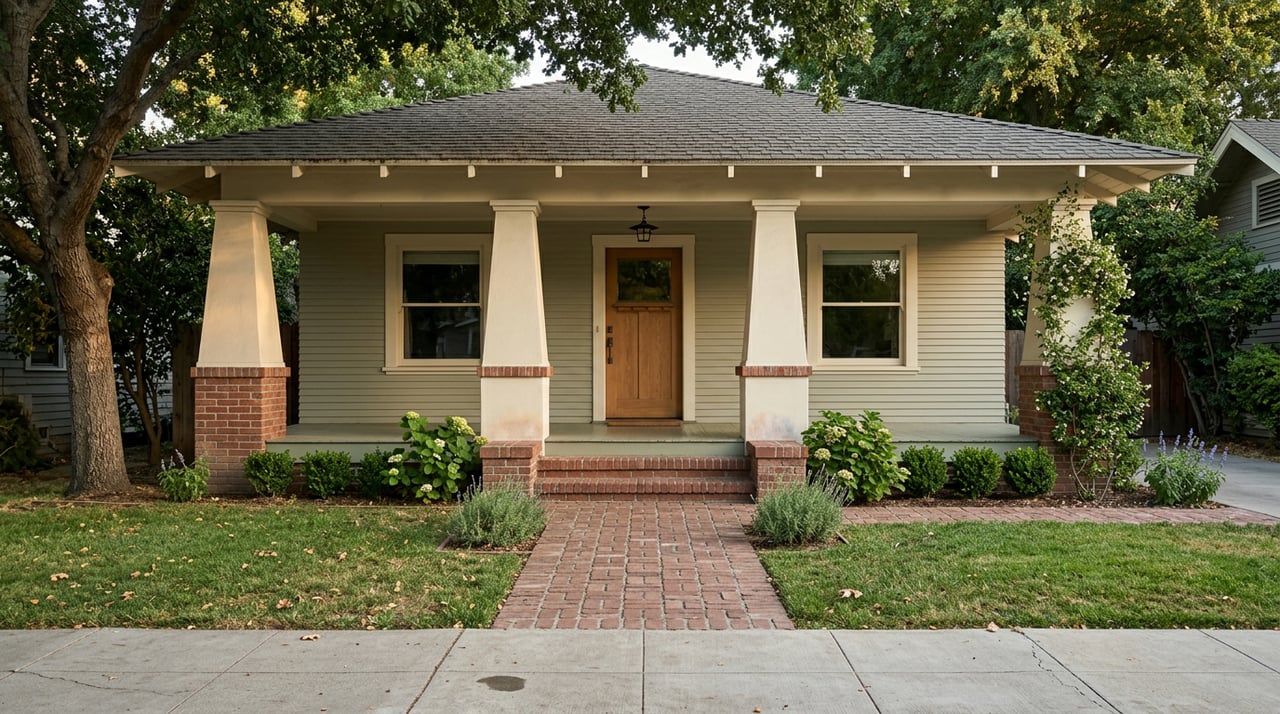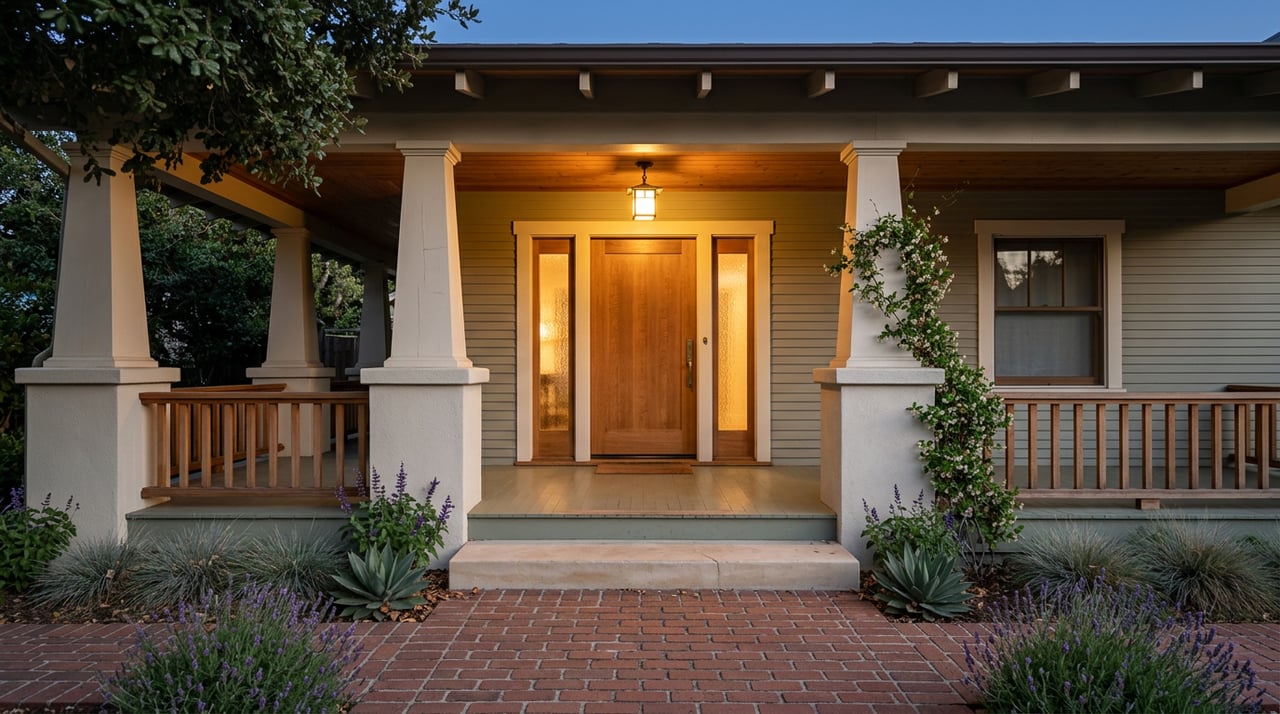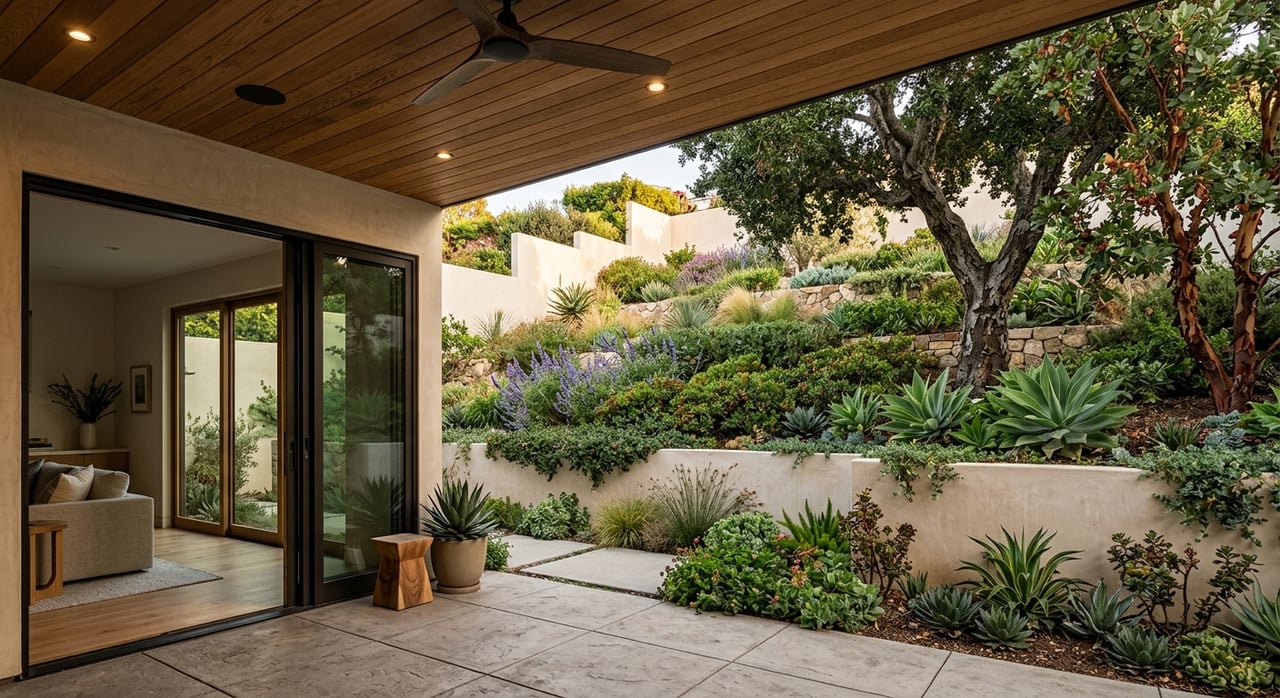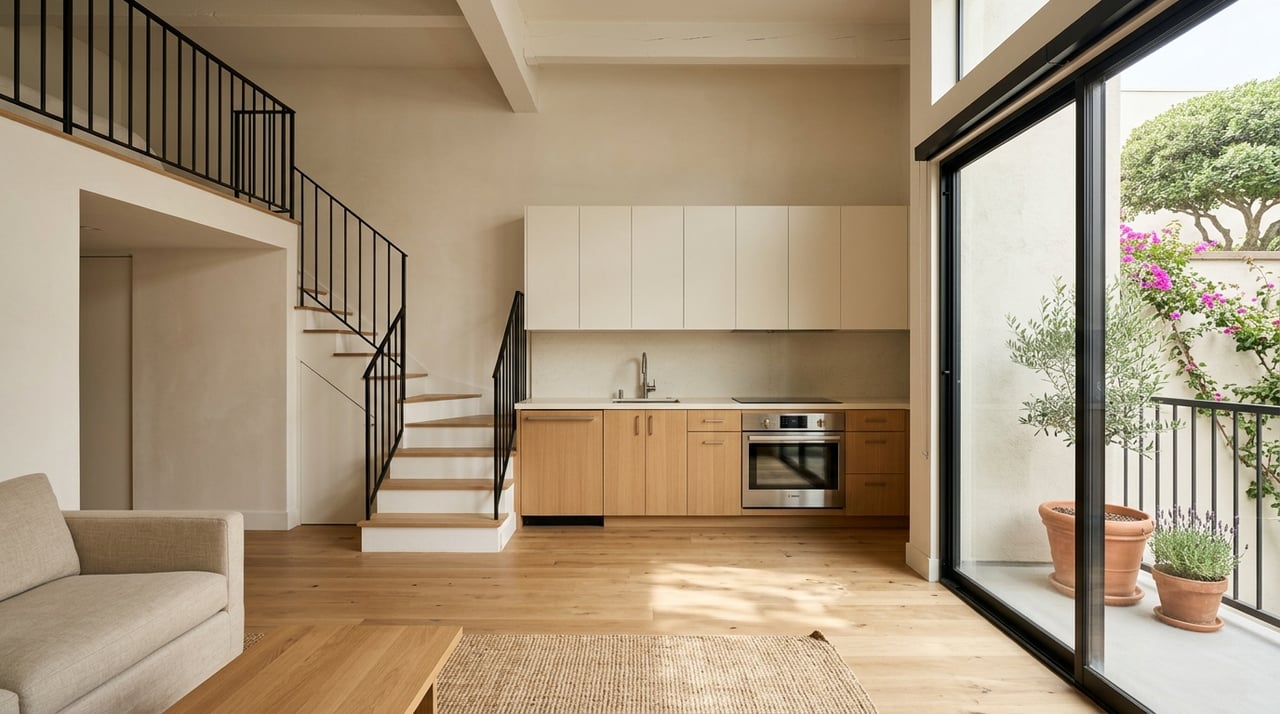
If you love the idea of walking to coffee, dinner, or the train, condo and loft living in Claremont Village can feel like a smart fit. At the same time, attached living comes with tradeoffs that are different from owning a detached home in other parts of Claremont. This guide will help you understand what to expect, what to compare, and how to decide whether Village-area living matches your day-to-day priorities. Let’s dive in.
Why Claremont Village Stands Out
Claremont Village is the city’s historic downtown core and one of its most active residential and retail areas. While Claremont is widely known for single-family homes, the city also includes condominiums, townhomes, and apartment living, giving you more than one way to live locally.
That matters in a premium market. As of May 31, 2026, Zillow places the average Claremont home value at $1,028,002 and the median sale price at $1,107,167, which helps frame why attached homes can be an important option for buyers who want a Claremont address and a more central, lower-maintenance lifestyle.
The Village also offers a lifestyle that is hard to duplicate in more residential parts of town. Metrolink describes Claremont Village as very walkable and close to the station, and Village Square notes 31 restaurants and cafes, 45 specialty boutiques, 11 art galleries, 13 spas and salons, a theater, a hotel, and free parking in the structure on First Street.
What Condo And Loft Living Looks Like
If you are exploring attached homes near the Village, Village Walk is one of the key communities to understand. The city’s Housing Element identifies Village Walk Townhomes as a 173-unit community on 11.3 acres south of Claremont Village and the Village Expansion area.
Recent examples in that community show the kind of features many buyers are looking for today. Floor plans around 1,605 to 1,658 square feet have included open-concept main living areas, main-level bedrooms, indoor laundry, storage or hallway closets, walk-in closets, balconies or covered patios, and direct-access 2-car garages.
Some loft-penthouse style units offer a more urban feel. Those examples have included private elevator access, 11-foot ceilings, and large great-room layouts that feel different from a more traditional townhouse floor plan.
Shared Amenities Change The Experience
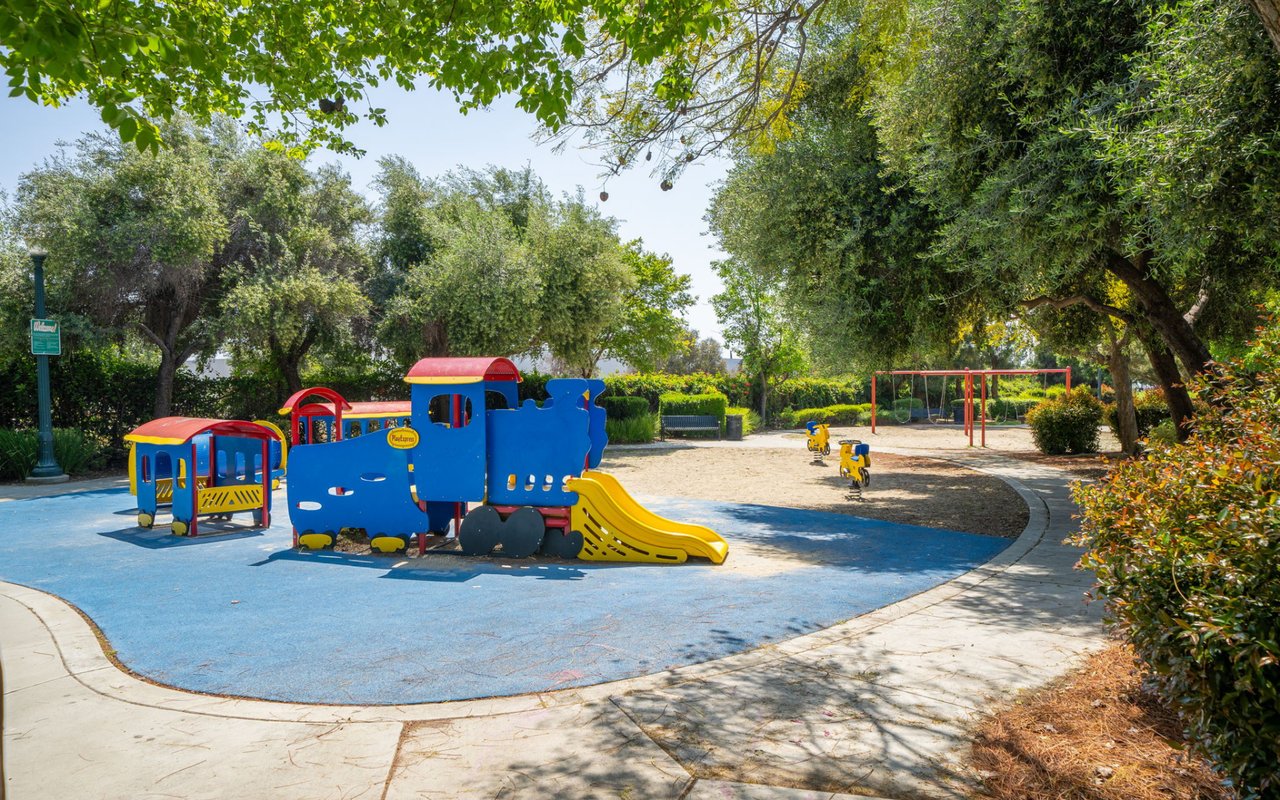
One of the biggest differences between attached living and a detached home is how recreation and upkeep are handled. In Village Walk, listing examples repeatedly mention a pool, spa, BBQ area, and playground.
For many buyers, that is the appeal. You may give up private yard space, but you gain shared amenities and less exterior maintenance to manage on your own. If your goal is a lock-and-leave home base, that trade can make a lot of sense.
Still, the exact balance depends on how you live. If you want outdoor space for gardening, hobbies, or more separation from neighbors, you may feel the limits of attached living more quickly.
More Attached-Home Options Near The Village
The Village-area attached market is not limited to one community. Claremont continues to add and plan for more condos, townhomes, and mixed-use housing near this part of town.
The City Ventures Indian Hill project is a proposed 70-unit townhome condominium community with two- and three-story homes, two to four bedrooms, and attached two-car garages. The Village South Specific Plan is expected to include condos, apartments, retail, a food hall, a public plaza, public art, and shared parking in a mixed-use, transit-oriented district.
There are also smaller and newer product types in the mix. The 365 West San Jose project is a 12-unit flat-style condominium project with attached garages, and Descanso Walk is marketing new townhomes and single-level flats with two to four bedrooms and approximately 1,272 to 2,252 square feet.
Everyday Logistics Matter More Than You Think
When buyers picture Village living, they often focus on the walkability first. That makes sense, but your daily experience will also depend on practical details like parking, guest access, and storage.
Village parking is regulated. The city says the Village includes six three-hour lots, most storefront curb parking is limited to two hours, and all-day parking is limited to specific lots, including the Metrolink lot east of College Avenue.
Claremont also prohibits overnight street parking from 2 a.m. to 6 a.m. unless a household uses an overnight parking exemption. If you are used to a detached home with a driveway, curb flexibility, and extra garage storage, this is one of the biggest lifestyle adjustments to think through in advance.
Parking Questions To Ask Early
Before you write an offer on a condo or loft near the Village, it helps to verify a few basics:
- How many deeded or assigned parking spaces come with the unit?
- Is the garage attached or detached?
- Are guest spaces available, and are there limits on guest parking?
- Do HOA rules restrict overnight guest parking?
- Is there any extra storage beyond the garage and interior closets?
- If you work from home, will the garage still function for parking after storage needs are met?
These questions matter because listing examples in Village Walk suggest storage is often garage-plus-closet based. You may have direct-access garages, hallway closets, laundry closets, storage closets, walk-in closets, and a balcony or patio, but not the attic, basement, or oversized side yard that some detached homes offer.
Transit Access Is A Real Advantage
For some buyers, the location near the station is more than a convenience. It can be one of the main reasons to focus on the Village in the first place.
The Claremont Metrolink Station is at the Historic Depot on First Street. The city says it offers free parking, 396 spaces, 16 handicapped spaces, and overnight parking in the First Street lot east of College Avenue. It also connects to Foothill Transit, city and regional Dial-A-Ride services, and Amtrak ThruWay Bus service.
That setup can support a car-light lifestyle for some households, especially if you want easier access to regional transit and everyday errands on foot. Even so, car-light does not mean car-free for everyone, and local parking rules still matter.
How Village Living Compares With Detached Homes
Claremont remains a single-family city first. The city says it is known regionally for stately single-family homes, and its Housing Element shows that in 2019, 78.2% of units were detached or attached single-family while 21.7% were multifamily.
That means condo and loft buyers are choosing a smaller, more urban slice of Claremont’s housing stock. In practical terms, attached homes near the Village usually prioritize location, walkability, shared amenities, and lower exterior upkeep, while detached neighborhoods often offer more privacy, more yard space, and less reliance on HOA rules and shared parking.
Neither option is automatically better. The right fit depends on what you want your home to do for you every day.
Condo And Loft Living May Fit You If
You may feel at home in the Village if your priorities include:
- Walking to shops, dining, and local services
- Easy access to the Metrolink station
- Lower exterior maintenance
- Shared amenities instead of private yard upkeep
- A lock-and-leave setup for travel or a busy schedule
- A more urban residential feel within Claremont
A Detached Home May Fit Better If
You may want to keep looking beyond the Village if your priorities include:
- More private outdoor space
- Flexible storage beyond a two-car garage
- Fewer shared walls
- Less dependence on HOA rules
- Easier visitor parking at home
- A more traditional single-family layout and setting
Claremont’s Planning Direction Supports This Lifestyle
The Village-area lifestyle is not just a short-term trend. The city’s planning work points toward a more walkable, bikeable, and transit-oriented future in and around this part of Claremont.
The Active Transportation Plan is intended to make Claremont more walkable, bikeable, and transit-oriented, and that effort is tied in part to Village South and the Metro Gold Line extension. If you are buying for both present lifestyle and long-term context, that is an important signal.
How To Evaluate A Village-Area Condo Or Loft
When you tour attached homes near Claremont Village, it helps to go beyond the finishes. Good decision-making usually comes from comparing how the property works, not just how it looks.
Use a simple framework as you evaluate options:
- Layout: Does the floor plan support how you actually live?
- Storage: Will closets and garage space be enough long term?
- Parking: How easy will daily parking and guest parking be?
- Mobility: Can you comfortably walk to the places you expect to use most?
- Noise and privacy: How does the unit’s position affect day-to-day comfort?
- Amenities: Will you use the pool, spa, or other shared spaces enough to value them?
- Commute: Does the station access improve your routine in a meaningful way?
This kind of side-by-side comparison can save you from buying on atmosphere alone. Village living can be excellent, but it works best when the details match your habits.
If you are weighing condo, loft, or townhome options in Claremont Village, a local strategy helps. The right fit often comes down to floor plan nuance, parking realities, and how one block or community lives differently from another. When you want clear guidance rooted in Claremont experience, connect with Concierge Realty Group to schedule a consultation.
FAQs
What is Claremont Village in Claremont, CA?
- Claremont Village is the city’s historic downtown core and a major residential and retail district known for walkability, dining, shops, and access to the Claremont Metrolink Station.
What types of attached homes are near Claremont Village?
- Near the Village, you can find townhomes, condominiums, flat-style condos, and some loft-penthouse style homes, with communities and projects such as Village Walk, City Ventures Indian Hill, 365 West San Jose, Village South, and Descanso Walk shaping the local options.
What amenities are common in Claremont Village condo communities?
- In Village Walk, listing examples have highlighted shared amenities such as a pool, spa, BBQ area, and playground, along with private features like balconies, patios, and direct-access two-car garages.
Is parking difficult near Claremont Village?
- Parking can require more planning than in a detached-home neighborhood because Village parking includes time-limited lots and curb spaces, all-day parking is limited to certain areas, and overnight street parking is restricted unless an exemption applies.
Can you live car-light in Claremont Village?
- In some cases, yes, because the Village is very walkable and close to the Metrolink station, but your day-to-day experience will still depend on your parking setup, commute needs, and the specific rules for the home or community you choose.
How does condo living compare with a single-family home in Claremont?
- Condo and loft living near the Village usually offers more walkability, shared amenities, and lower exterior upkeep, while detached homes in other parts of Claremont more often provide additional privacy, yard space, and storage flexibility.