Thinking about selling your Claremont home but not sure where to start? You want strong offers without turning your life into a renovation project. With a clear concierge plan, you can target the right fixes, keep your timeline tight, and step into the market with confidence. In this guide, you’ll see exactly how our step-by-step prep works in Claremont, which updates matter, how cost-fronting can help, and what to expect from timeline to photos. Let’s dive in.
Why a concierge plan fits Claremont
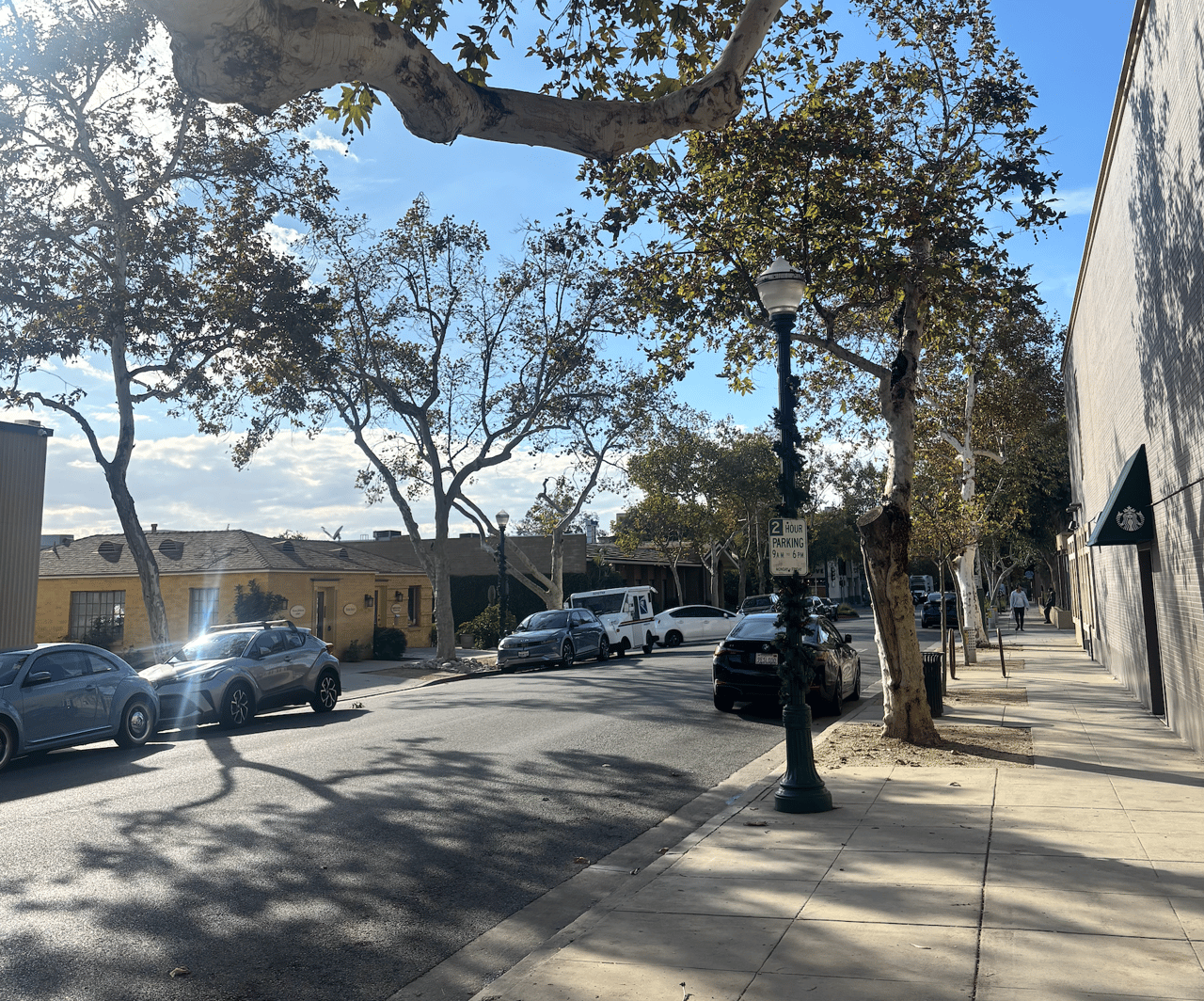
Claremont is a selective, design-aware market where buyers value preserved character and modern function. A recent snapshot shows a median sale price of about $930,000 in February 2026, with homes often receiving a few offers and selling within weeks when well presented, according to Redfin’s February 2026 snapshot. Neighborhoods vary from tree-lined streets near the Village to foothill enclaves, and many buyers prioritize authentic details with updated kitchens and baths, as highlighted in the Los Angeles Times’ neighborhood spotlight.
Staging and strong visuals matter. The NAR 2023 Profile of Home Staging found that staging helps buyers visualize a property and can reduce time on market, with modest price improvements in many cases. That is why our plan centers on smart preparation, design-consistent staging, and photo-first marketing.
Our concierge prep plan, step by step
Below is the typical flow from walkthrough to escrow. Timelines adjust based on scope and contractor availability.
1) Intake and walkthrough (day 0–3)
We tour the property, document condition, and flag safety or code issues alongside high-impact visual fixes like paint, flooring touch-ups, and lighting. You receive a prioritized plan tied to likely buyer objections and relevant comps. You approve the scope before any work begins.
2) Scope and budget estimate (48–72 hours)
We start with low-cost, high-impact items such as curb appeal, paint, lighting, and targeted kitchen or bath refreshes. When helpful, we gather fast, fixed-price proposals from dedicated pre-sale firms like the Curbio process overview. You choose the final scope and budget based on your goals and timeline.
3) Permits and rules check (concurrent)
For exterior changes, structural work, or additions, we coordinate with the City of Claremont. If an ADU is part of your plan, review the city’s Accessory Dwelling Units guidelines and confirm standards early. For general building requirements, see Building Permits and Plan Checks. You decide whether to pursue permitted work now or focus on faster cosmetic wins.
4) Project execution and vendors (1–21+ days)
You can choose a front-funding concierge provider or traditional contractors. Dedicated pre-sale firms like Curbio supply a project manager and vetted trades with payment at closing per their terms. Brokerage-style advance programs, such as the Compass Concierge overview, can also cover agreed-upon work with repayment from proceeds. You can also pay vendors directly or use your own contractors.
5) Staging and media (2–7 days)
We align staging with your home’s style, then capture a photo-first package. The NAR study confirms the value of staging for buyer engagement. We focus on the living room, kitchen, primary suite, and outdoor spaces, along with a standout front elevation. You review the media plan before we go live.
6) Listing launch and showings
We launch with accurate room labels, clear feature highlights, and polished visuals. Our team coordinates open houses, private showings, and feedback loops. You approve pricing strategy, offer terms, and any negotiated inspection repairs.
7) Escrow and close
We organize invoices, lien waivers, warranties, and repair documentation for escrow. If costs were fronted, we coordinate repayment instructions so they appear on the closing statement. You receive a clean, documented closeout.
What to update for Claremont buyers
Claremont buyers respond to homes that feel authentic and move-in ready. Keep original woodwork or tile where it adds charm, and balance it with light, fresh finishes.
Quick wins with strong impact
- Fresh neutral interior paint to brighten spaces.
- Updated lighting and cabinet hardware for a modern lift.
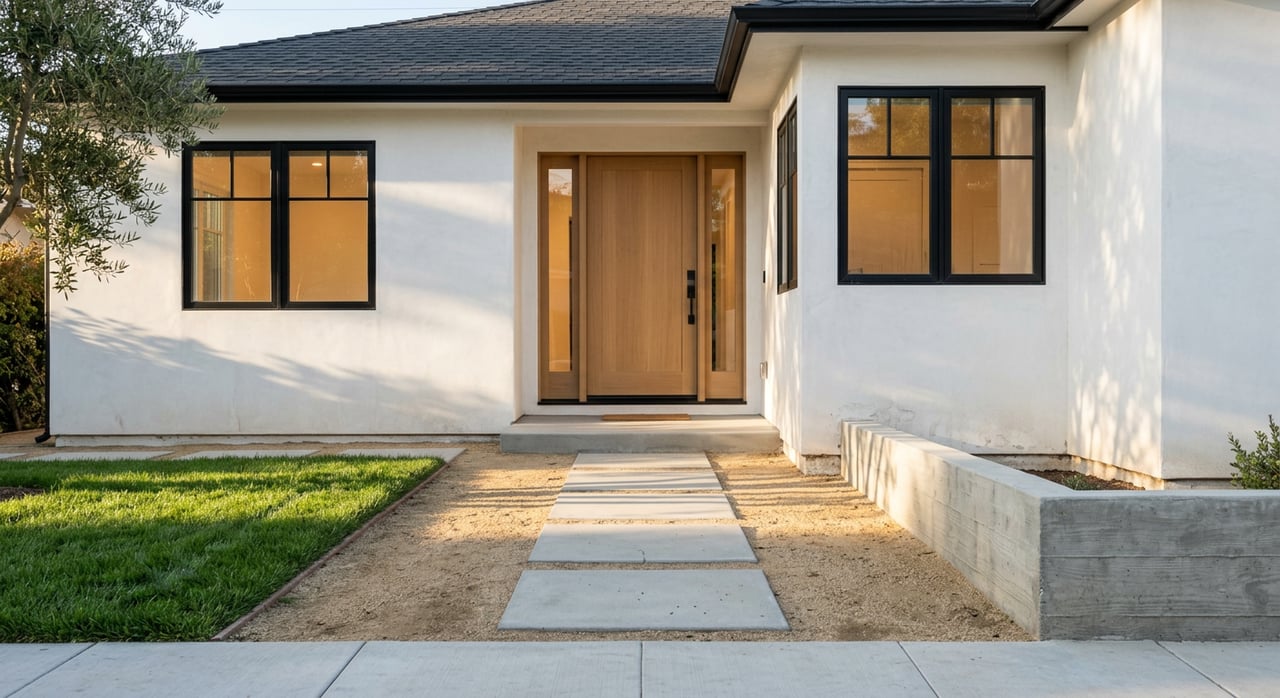
- Simple landscaping, mulch, and a clean path to the front door for curb appeal.
- Professional deep clean, focused on kitchens and baths.
Kitchen and bath refreshes
- Paint or refinish cabinets if layout is good.
- Replace dated counters and faucets, and refresh grout.
- Consider a minor kitchen remodel when the layout works well. The 2025 Cost vs. Value report shows minor kitchen remodels often recoup strongly, with national averages near or above full cost recovery.
Outdoor living
- Tidy patios, stage an outdoor dining area, and ensure irrigation is functioning.
- Add simple planters for color in listing photos.
What to avoid without strong comp support
- Large additions or high-end custom work right before listing.
- Big-ticket pool builds or luxury primary suite expansions. The Cost vs. Value data shows many of these do not recoup most costs at resale.
Always confirm with a current CMA and written vendor quotes before approving work for your property.
Staging and photography priorities
Staging and media drive online engagement, showing activity, and offer quality. The NAR 2023 staging study highlights consistent benefits for visualization and days on market.
Photo-first rule
- Aim for five hero shots that sell the story: front exterior, living room, kitchen, primary suite, and the best outdoor space.
Rooms to stage first
- Living room, kitchen, and primary bedroom, followed by the entry and outdoor areas.
Style alignment
- Keep Craftsman, Spanish, or Ranch details visible. Avoid over-modernizing period homes. The Los Angeles Times spotlight echoes the value of preserved character in Claremont.
Virtual staging
- Use it for vacant rooms to control cost and timeline. Disclose virtual staging clearly in the listing.
How cost-fronting usually works
Cost-fronting can simplify prep if you prefer a hands-off path. Programs vary, so read terms closely and ask questions.
Brokerage advances
- Models like Compass Concierge approve a scope, pay vendors, and are repaid from proceeds at closing or per contract terms. This is typically structured as a loan or advance.
Pre-sale renovation firms
- Firms like Curbio act as the contractor, manage permits and trades, and allow payment at closing. They usually provide a project manager and warranty.
Self-financed options
- Consider a HELOC or home equity loan if you want direct control over financing. Review this NerdWallet overview of home equity loans to compare costs and terms.
Red-flag checklist
- Read the agreement, including repayment triggers and what happens if the home does not sell.
- Ask about fees, interest, and any program time limits.
- Confirm lien or assignment mechanics, vendor vetting, and warranties.
- Ensure proper disclosure so repayment appears on the closing statement.
Timeline and sample budgets
Every property is different. Use these ranges as planning guides, then secure written quotes.
Photo-ready refresh, 1–2 weeks
- Declutter, paint, minor repairs, targeted landscaping, staging, and pro photos.
- Typical budget range: about $2,000 to $12,000. The NAR study notes median staging spends are often modest.
Minor renovation plus staging, 2–6 weeks
- Kitchen refresh, 1–2 baths cosmetic updates, paint, and landscape tidy.
- Typical budget range: about $20,000 to $75,000 depending on kitchen scope. The Cost vs. Value report shows minor kitchen remodels can recoup strongly.
Major work or permitted projects, months
- Examples include ADUs or structural changes. Use the city’s ADU guidelines and Building Permits and Plan Checks to shape scope and timing.
Before you green-light work, request a current CMA and written vendor quotes tailored to your home and neighborhood.
Permitting in Claremont, made simple
Claremont requires permits for many exterior or structural changes. Confirm rules early so you do not lose time mid-project. If you are exploring an ADU, the city’s pre-approved designs can speed planning and set expectations around size, setbacks, and design. Start with the Accessory Dwelling Units page, and use Building Permits and Plan Checks for submittals and inspections.
What stays your decision
A concierge plan keeps you in control. You choose:
- Final scope, finishes, and materials.
- Whether to use a concierge advance, a pre-sale firm, or your own financing.
- When to list as-is versus after improvements.
- Whether to remain in the home during work and showings.
How we market once you are photo-ready
Premium presentation gets attention and invites stronger offers. Our team builds a photo-first package, accurate floor and room labeling, and right-sized video or 3D tours when useful. We layer digital exposure, email and social distribution, print collateral, open house strategy, and broker outreach so no stone is left unturned. The NAR staging study supports why this approach works: buyers engage with well-staged, well-photographed homes.
Ready to plan your sale?
You deserve a clear path and a calm timeline. Our team pairs local expertise with a hands-on concierge program that helps you pick the right updates, coordinate vendors, and launch with confidence. If you are considering a 2026 sale, let’s discuss your goals, timeline, and the best prep strategy for your property. Connect with Concierge Realty Group to Schedule a Consultation.
FAQs
What is a “concierge” prep program for home sellers?
- It is a guided process where your agent helps scope, coordinate, and in some cases front the cost of targeted pre-listing improvements, with repayment at closing per program terms.
How long does a typical Claremont prep take before listing?
- Photo-ready refreshes often take 1–2 weeks, minor renovation plans can run 2–6 weeks, and permitted work can take months depending on scope and approvals.
Do I have to move out during staging or repairs?
- Not always; it depends on scope and safety, and we can often stage around lived-in spaces or use virtual staging for select rooms when appropriate.
Do concierge advances charge fees or interest?
- Program terms vary, so read the agreement for fees, interest, time limits, and repayment triggers, and confirm how repayment will appear on your closing statement.
Which upgrades usually help most in Claremont’s older neighborhoods?
- Buyers often respond to preserved character paired with modern kitchens and baths, neutral paint, updated lighting, and tidy outdoor spaces that photograph well.
Can I skip staging if my home is vacant?
- You can, but the NAR study shows staging helps buyers visualize; virtual staging is a cost-effective option when timelines or budgets are tight.
What happens to fronted costs if my sale falls through?
- Repayment obligations are set by your contract with the provider, so understand the terms for program end dates, lien mechanics, and repayment timing before you start.
How are permits handled for ADUs or exterior work in Claremont?
- The city outlines standards and submittals on its ADU and permits pages, and we can coordinate vendor and permit timelines so your project stays compliant and on schedule.