Wondering what life in Rancho Cucamonga actually feels like once you get past the map and the listings? If you are trying to decide between a home near Victoria Gardens and a property closer to the foothills, the answer is not just about price or square footage. It is about how you want your days to flow, what kind of setting feels right, and how much access matters to you. Let’s dive in.
Rancho Cucamonga at a glance
Rancho Cucamonga is a large and varied city in San Bernardino County, about 40 miles east of Los Angeles. The city spans nearly 47 square miles and planning documents describe it as more than 90% built out, which helps explain why different parts of town can feel distinct from one another.
The city had an estimated 177,856 residents in 2025. Census data also shows a median household income of $111,895, a 62.3% owner-occupied housing rate, a median owner-occupied home value of $740,200, a median gross rent of $2,357, and a mean commute time of 32.3 minutes.
For buyers, that snapshot points to an established market with a strong ownership base. For sellers, it reinforces that Rancho Cucamonga remains a meaningful foothill community where presentation, pricing, and neighborhood positioning can make a real difference.
Why Rancho Cucamonga feels different by area
One of the most useful things to understand about Rancho Cucamonga is that it is not one-note. City planning materials describe a mix of rural, semi-rural, suburban, quasi-urban, office, industrial, and mixed-use areas.
That means your day-to-day experience can shift depending on where you live. Some parts of the city place you close to shopping, dining, and transit connections, while other areas offer a quieter setting with larger lots and a more established foothill feel.
Living near Victoria Gardens
If you want convenience woven into daily life, the Victoria Gardens area often stands out. Victoria Gardens is a two-level, outdoor town center that brings together shopping, dining, entertainment, and cultural venues in one central setting.
The center includes major retail and dining options like Apple, ZARA, Nike, Macy’s, The Cheesecake Factory, Gyu-Kaku Japanese BBQ, Brio Italian Grille, AMC Theatres, and the Victoria Gardens Cultural Art Center. For many residents, that means errands, dinner plans, and entertainment can all happen without much planning.
The nearby Victoria Gardens Cultural Center adds another layer to the area’s appeal. City information highlights event spaces, on-site catering, free parking for more than 1,100 vehicles, and convenient freeway access from I-15, I-210, and I-10, plus proximity to Ontario Airport.
From a housing perspective, this part of Rancho Cucamonga connects well with the city’s more mixed-use and master-planned development patterns. Planning documents note that Victoria Gardens integrates more than 1 million square feet of commercial uses alongside residential and civic uses.
Who may prefer this area
You may feel more at home near Victoria Gardens if you want:
- Easy access to shopping and dining
- A more central location for commuting routes
- Mixed-use surroundings with an active feel
- Close proximity to entertainment and events
This area can be especially appealing if you value convenience and want more of your daily needs nearby.
Living closer to the foothills
If your idea of home leans quieter and more spacious, north-of-Foothill areas may feel like a better fit. City planning documents note that larger lots are generally found in the northern third of Rancho Cucamonga.
Planning materials also describe Alta Loma as semi-rural and suburban, while Etiwanda is characterized as traditional and suburban-very-low density. In practical terms, these areas often align with buyers looking for a more established residential setting and a different pace than the city’s central commercial corridors.
This does not mean you are far from amenities. It means your home environment may feel more removed from the busiest activity centers, even while you still have access to the wider city.
What the foothill lifestyle can offer
Homes closer to the foothills may appeal to you if you are looking for:
- More spacious residential surroundings
- Larger-lot patterns in some areas
- A quieter, more established feel
- Quick access to outdoor spaces and trails
For many buyers, the tradeoff is simple. You may give up some immediate proximity to major retail hubs, but gain a stronger sense of separation from the busiest parts of town.
Shopping, dining, and entertainment options
Rancho Cucamonga offers more than one commercial hub, which is part of what makes daily life here flexible. In addition to Victoria Gardens, city visitor materials point to Terra Vista Town Center, boutique eateries, local breweries, Route 66 landmarks, Quakes baseball, and the Lewis Family Playhouse.
Haven City Market is another notable destination. It describes itself as a family-friendly venue with food, drinks, and live performances, giving residents another option for casual outings and group meetups.
For buyers comparing areas, this matters because your favorite destinations may not all be in one pocket of the city. Rancho Cucamonga’s layout supports different routines, whether you prefer a polished town-center setting, a market-style gathering place, or neighborhood-serving retail corridors.
Outdoor access and active living
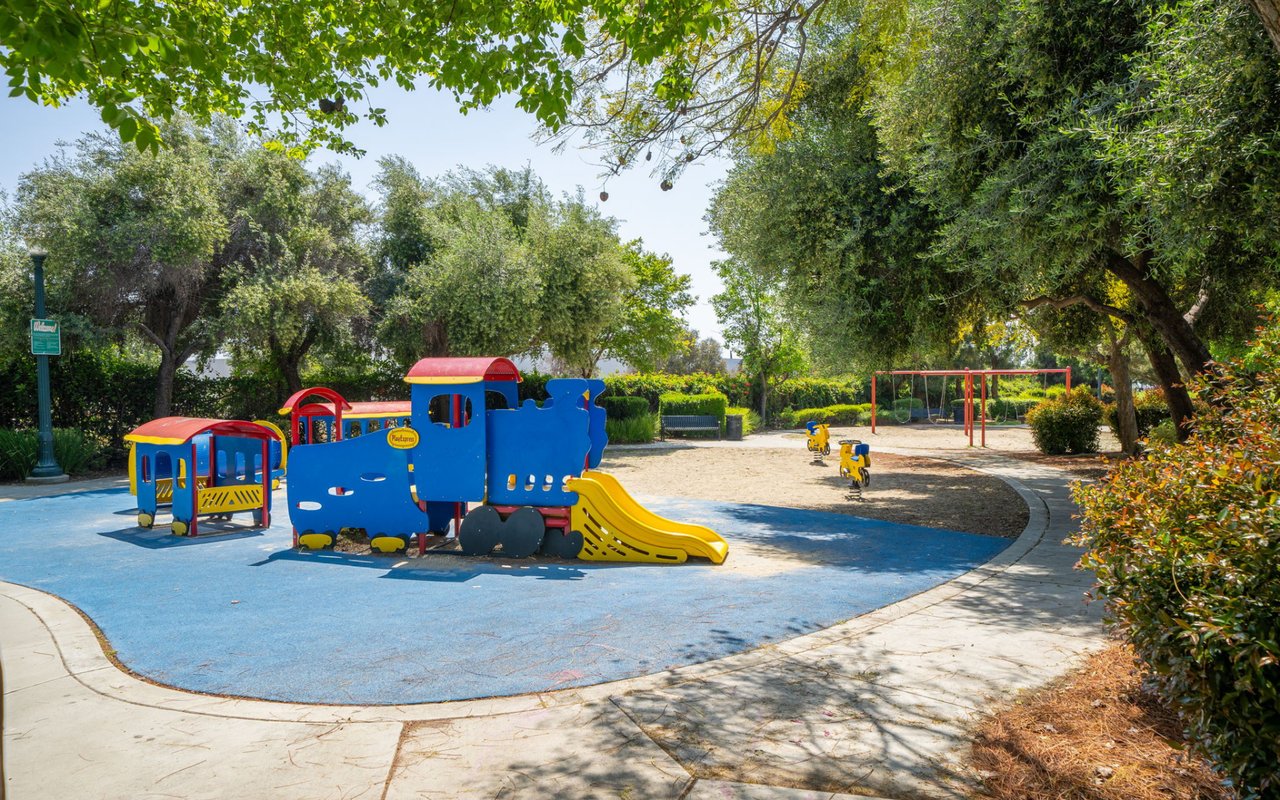
Rancho Cucamonga also offers strong outdoor amenities. The city highlights North Etiwanda Preserve, parks, trails, and active transportation planning as part of its broader lifestyle appeal.
North Etiwanda Preserve includes a 3.4-mile loop trail through the foothills. The Pacific Electric Trail is a 21-mile public-access trail, with about 8 miles running through Rancho Cucamonga.
The city’s planning efforts also support walking, biking, and rolling through improvements to crosswalks, sidewalks, and bike lanes. At the same time, it is worth keeping expectations balanced. Rancho Cucamonga has strong outdoor infrastructure, but many areas are still car-oriented.
Commute patterns and getting around
Commute reality matters here. Census data places the city’s mean commute time at 32.3 minutes, which is a helpful reminder that location within the city can affect how your weekdays feel.
Rancho Cucamonga sits at the crossroads of I-10, I-15, SR-210, and rail. City land-use materials note that commercial centers cluster along Foothill Boulevard, Base Line Road, Haven Avenue, and Day Creek Boulevard, which can shape both convenience and traffic patterns depending on where you live.
Cucamonga Station is also being positioned as a multimodal hub. City materials state that ONT Connect Route 380 links Ontario International Airport with the Rancho Cucamonga Metrolink Station, and future planning includes Brightline West high-speed rail connections.
If transit access matters to you, central locations may offer a practical edge. If privacy and a more residential setting matter more, foothill locations may still win, even if they add a few extra minutes to your routine.
Housing choices across the city
Rancho Cucamonga’s housing patterns reflect its size and planning history. The city reports 58,835 households, and land-use documents state that about 90% of residential land is single-family, with about 10% multi-family.
The city’s housing element identifies master planned and specific plan areas including Terra Vista, Victoria, Victoria Arbors, Victoria Gardens, Empire Lakes, Town Square, Etiwanda North, Etiwanda Highlands, and Etiwanda Heights. Together, those areas support a range of housing types, from lower-density single-family homes to higher-density multi-family and mixed-use development.
That variety gives you options, but it also means broad labels only go so far. Two homes with the same bedroom count can offer a very different lifestyle depending on whether they sit near a mixed-use corridor or in a foothill setting with a more spacious layout around them.
How to choose the right Rancho Cucamonga fit
When you narrow your search, it helps to think in terms of lifestyle first and finishes second. You can update interiors over time, but you cannot move a home closer to your preferred routine.
Here are a few questions worth asking yourself:
- Do you want to be near major shopping, dining, and entertainment?
- How important is quick freeway or rail access?
- Would you rather have a more central setting or a quieter foothill feel?
- Do outdoor trails and open-space access play a big role in your week?
- Are you looking for a single-family home, mixed-use convenience, or another housing style?
For sellers, these same questions help shape your marketing story. A well-positioned home near Victoria Gardens should be presented differently than a foothill property where space, setting, and neighborhood feel may be the bigger draw.
What buyers and sellers should keep in mind
Rancho Cucamonga offers a broad range of living experiences within one city. That is a strength, but it also means the best move is rarely about choosing the “best” neighborhood in general. It is about choosing the right match for your routine, priorities, and budget.
If you are buying, neighborhood-level guidance can help you compare tradeoffs with more confidence. If you are selling, careful preparation and clear positioning can help buyers understand what makes your home stand out in a city with multiple lifestyle lanes.
Whether you are drawn to the energy around Victoria Gardens or the quieter feel of foothill homes, a smart plan starts with understanding how each part of Rancho Cucamonga lives day to day. If you want thoughtful guidance on buying or selling in the foothill communities, connect with Concierge Realty Group for a consultation.
FAQs
What is daily life like near Victoria Gardens in Rancho Cucamonga?
- Living near Victoria Gardens can mean easier access to shopping, dining, entertainment, and cultural venues in a central outdoor town center environment.
What is the difference between central Rancho Cucamonga and foothill areas?
- Central areas tend to offer easier access to mixed-use amenities, retail, and transit connections, while foothill areas often feel more spacious and established.
What kinds of homes are common in Rancho Cucamonga?
- City land-use documents say about 90% of residential land is single-family and about 10% is multi-family, with housing choices ranging from planned communities to mixed-use and foothill neighborhoods.
Is Rancho Cucamonga more suburban or urban?
- Rancho Cucamonga includes both suburban and more mixed-use, quasi-urban areas, depending on the neighborhood and corridor.
How long is the average commute from Rancho Cucamonga?
- Census data shows a mean commute time of 32.3 minutes.
What outdoor amenities does Rancho Cucamonga offer?
- The city highlights parks, trails, North Etiwanda Preserve, and the Pacific Electric Trail as part of its outdoor and active living options.
Is Rancho Cucamonga a good fit if you still need freeway access?
- The city sits near I-10, I-15, and SR-210, so many residents value its regional road access even though many areas remain car-oriented.