If you are buying in Claraboya, the view can be the headline feature and the biggest variable in value. Two homes may both be called “view homes,” yet they can live very differently day to day based on lot position, privacy, access, and how durable that view really is. This guide will help you look past the listing language and focus on what matters most before you tour, compare, and make an offer. Let’s dive in.
Claraboya’s hillside setting matters
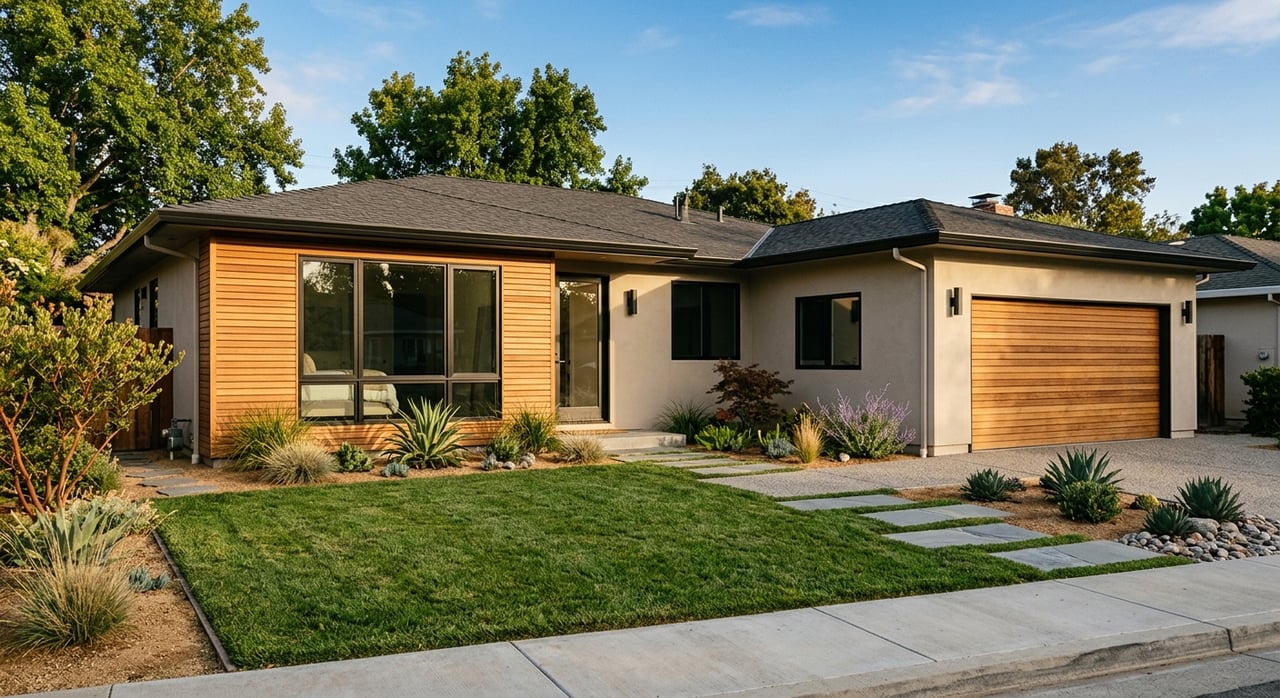
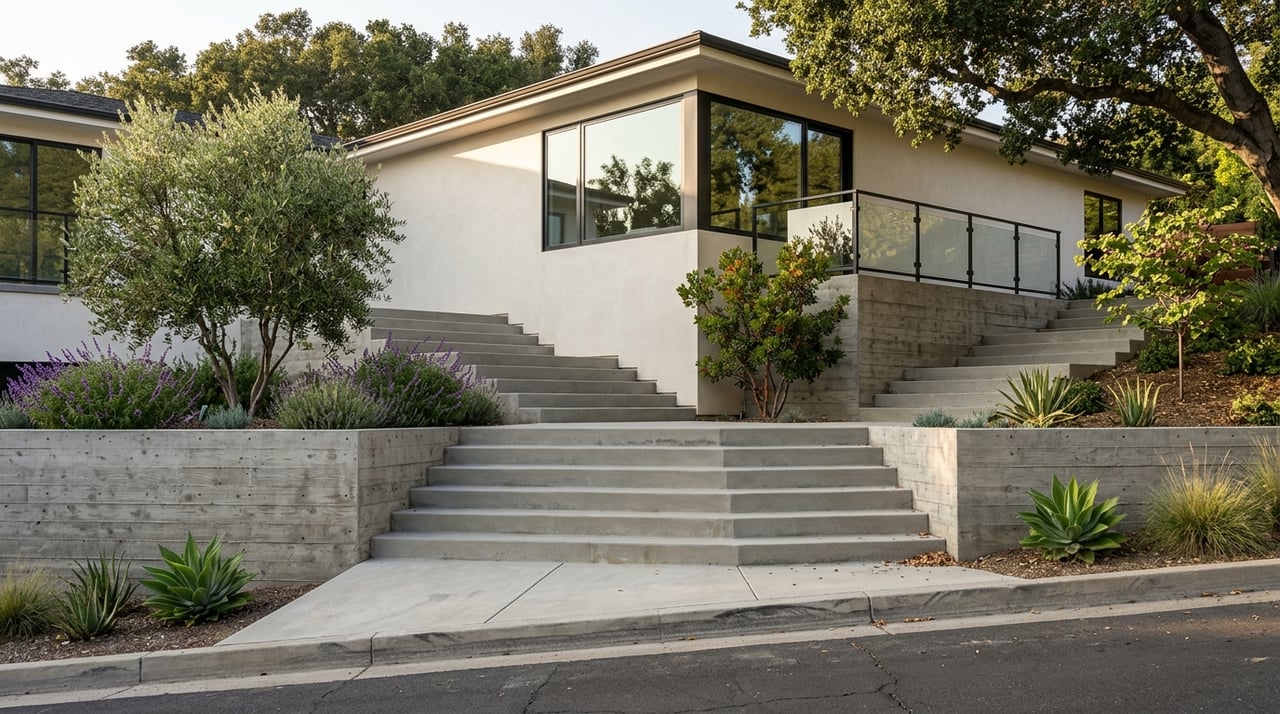
Claraboya sits at the north end of Mountain Avenue in Claremont and has a distinct hillside layout. City guidelines describe it as an early-1960s hillside development with mostly single-story homes, modern styles, terraced lots, no sidewalks, and broad Pomona Valley views.
That setting gives the neighborhood much of its appeal, but it also changes how you should evaluate a property. Access is restricted to Mountain Avenue, and the slope, driveway design, and front-entry experience can feel very different from a flatter part of Claremont.
For some buyers, that character is exactly the draw. For others, it means paying closer attention to parking, daily access, and how the site functions beyond the photos.
Why Claraboya view homes command attention
Recent market snapshots suggest Claraboya trades at a premium relative to Claremont overall. Zillow estimated Claraboya’s average home value at $1,616,574 as of December 31, 2025, while Redfin showed Claremont overall with a median sale price of $1,091,500 in March 2026 and about 36 days on market.
That gap does not mean every property in the neighborhood should be priced the same way. It does mean buyers should expect view quality, site usability, and condition to play an outsized role in value.
When inventory is limited, it is easy to focus on the chance to get into the neighborhood at all. In Claraboya, it is usually smarter to ask whether a specific home delivers the kind of view and livability that will still feel worth the premium years from now.
What makes a view home truly valuable
View quality is not all-or-nothing
A view is not simply a box to check. Appraisal literature reviewed by the Appraisal Institute notes that view pricing is site-specific and tends to rise with view quality.
In practical terms, two Claraboya homes can both offer views but still have very different market appeal. A broad, open corridor visible from the main living areas and outdoor space will often carry more weight than a view you only catch from one bedroom window.
The best views are livable views
When you tour, pay attention to where the view shows up in your normal routine. A home feels very different when the kitchen, living room, and primary spaces all connect to that outlook.
Outdoor usability matters too. If the patio or yard captures the same horizon as the interior, the home often feels more complete and more compelling at resale.
Privacy changes the experience
Neighboring rooflines, terrace levels, and window lines can shape how private a view feels. Even if the scenery is impressive, the experience may be less relaxing if nearby homes overlook your main outdoor area.
This is one reason Claraboya comparisons can get tricky fast. Homes on paper may seem similar, but the combination of angle, elevation, and privacy often creates meaningful differences.
How terraced lots affect your purchase
Claraboya’s terraced design is a big part of the neighborhood’s identity. It also adds a layer of due diligence that buyers should not skip.
Upper and lower terrace differences
A home’s position on the slope can affect both the view and the way the property lives. Some lots may offer a more open corridor, while others may have more visual interference from landscaping, rooflines, or the hillside itself.
The terrace position can also affect entry experience. A steeper driveway, more steps, or a less direct path from garage to front door may be perfectly workable, but it is worth testing in person rather than assuming from listing photos.
Drainage and retaining walls deserve a close look
California buyer guidance recommends attention to structural, plumbing, and electrical condition, along with the use of contingencies for inspections and repairs. Professional inspection standards also call for observation of grading, surface drainage, retaining walls, roofs, and signs of moisture intrusion.
That matters even more in a hillside neighborhood. In Claraboya, you will want to pay close attention to retaining walls, drainage paths, gutter and downspout routing, and any signs of cracks or settlement.
The EPA also recommends that the ground around the foundation slope away from the house and that downspouts discharge away from the foundation. On a terraced site, those details are not small maintenance items. They can directly affect long-term performance.
Think about today’s view and tomorrow’s view
One of the smartest questions you can ask in Claraboya is whether the current view corridor is likely to remain as open as it appears today. The city’s guidelines emphasize preserving neighborhood character, avoiding impacts on views, and avoiding encroachment on slopes.
That does not mean your view is guaranteed forever. It does mean buyers should think carefully about surrounding parcels, existing tree growth, and whether nearby rooflines or landscaping could change the experience over time.
The city’s guidance also notes that landscaping should be native and drought tolerant and should avoid encroaching on views above. In other words, view preservation is partly design and partly ongoing maintenance.
Open space is a real lifestyle benefit
For many buyers, Claraboya’s appeal is not just the view from the house. It is also the direct connection to nearby open space and trails.
The Claremont Hills Wilderness Park has grown to more than 2,000 acres with over 20 miles of trails, including the Claremont Loop. In 2025, the City of Claremont and the Claremont Wildlands Conservancy also announced protection of 80 additional acres above Claraboya’s northwest corner along the western edge of Johnson’s Pasture.
That setting adds beauty and recreation value. It also helps explain why the neighborhood feels distinct from other parts of Claremont.
Wildfire context should be part of your checklist
The same hillside setting that creates views and trail access also brings wildfire considerations. Claremont says it uses CAL FIRE hazard maps to classify neighborhoods and notes that portions of northern Claremont are in high fire zones.
The city also says Los Angeles County Fire Department performs brush-clearance inspections and notices in high-hazard areas, and that Claremont contracts with the department for fire protection services. If you are buying near the hills, this should be part of your normal due diligence.
Ask whether the property is in a high fire hazard area and what brush-clearance or home-hardening work has already been completed. This is not about alarm. It is about understanding the responsibilities that may come with the location.
Trails and hillside living are not maintenance-free
The wilderness setting is a real asset, but it comes with practical tradeoffs. The Claremont Hills Wilderness Park can close for weather, maintenance, emergencies, and red-flag conditions.
The city also notes that trails are subject to wildlife activity and other wilderness-area hazards. If outdoor access is a major reason you want to live in Claraboya, it helps to understand that this benefit can be seasonal and condition-dependent.
If you are buying in High Point, read the HOA documents carefully
At the northern end of Mountain Avenue, the city places the High Point townhome and condo area. The layout there is distinct, with no setbacks or sidewalks and with entryways and garages along the street.
If you are considering a common interest development like High Point, California Civil Code section 4525 requires the seller to provide governing documents, recent HOA documents, assessment and fee information, notices of unresolved violations, defect disclosures, and the most recent inspection report.
For you as a buyer, the practical questions usually include:
- What are the monthly dues?
- How well funded are reserves?
- Are there any special assessments?
- What are the parking rules?
- Who handles exterior maintenance?
- Are there rental restrictions or occupancy rules that affect future flexibility?
These documents can have a direct impact on monthly cost, convenience, and resale comfort. They are worth reading closely before you remove contingencies.
A smart touring checklist for Claraboya buyers
When you tour a Claraboya property, try to move beyond first impressions. The right questions can help you compare homes more clearly and avoid paying a premium for a feature that may not perform the way you expect.
Questions worth asking on every tour
- Which rooms capture the best view?
- Does the patio or yard share the same outlook as the interior?
- Is the view broad and open, or narrow and angled?
- Does the lot sit on an upper or lower terrace?
- How steep is the driveway or entry?
- Are there trees, rooflines, or nearby parcels that could affect the corridor later?
- Are there visible signs of drainage issues, settlement, or retaining wall concerns?
- Is the property in a high fire hazard zone?
- What brush-clearance or exterior risk-reduction work has already been done?
Inspection priorities to keep front and center
Once you are serious about a property, make sure your inspection strategy fits the site. In a hillside neighborhood, buyers often benefit from careful attention to:
- Grading and surface drainage
- Retaining walls
- Roof condition and water management
- Moisture intrusion signs
- Cracks or settlement
- Exterior maintenance tied to slope conditions
- Any additions or remodels that may have changed the original hillside design
Buying the right view home takes local context
In a neighborhood like Claraboya, the details matter. View quality, terrace position, driveway usability, drainage, fire-zone context, and HOA terms can all affect how a home feels to live in and how it performs over time.
That is why buying here is not just about finding a beautiful listing. It is about understanding the micro-differences between one hillside property and the next so you can make a confident decision.
If you are weighing homes in Claraboya or nearby Claremont hillside neighborhoods, working with a team that knows how to evaluate site-specific value can make the search feel much clearer. When you want practical guidance, neighborhood-level insight, and steady support through the offer and inspection process, connect with Concierge Realty Group.
FAQs
What should buyers look for in a Claraboya view home?
- Focus on view quality from main living areas, outdoor usability, privacy, terrace position, driveway access, drainage, retaining walls, and the likelihood that the view corridor stays open over time.
How much more expensive are Claraboya homes than Claremont overall?
- Recent snapshots in the research show Claraboya at an estimated average home value of $1,616,574 as of December 31, 2025, while Claremont overall showed a median sale price of $1,091,500 in March 2026.
Are Claraboya homes in a wildfire risk area?
- Portions of northern Claremont are in high fire zones according to the city’s fire-prevention information, so buyers should ask about hazard-zone context, brush clearance, and any home-hardening work.
What makes Claraboya different from other Claremont neighborhoods?
- The city describes Claraboya as a hillside neighborhood with terraced lots, mostly single-story homes, modern styles, no sidewalks, restricted access from Mountain Avenue, and unobstructed Pomona Valley views.
What should buyers review for a High Point condo or townhome?
- Review HOA dues, reserve funding, special assessments, parking rules, exterior maintenance responsibility, unresolved violations, defect disclosures, and the most recent inspection report provided under California Civil Code section 4525.
Do nearby trails affect daily life in Claraboya?
- Yes. The open-space setting is a major lifestyle benefit, but the Claremont Hills Wilderness Park can close for weather, maintenance, emergencies, and red-flag conditions, and trail use comes with typical wilderness-area hazards.