If you are drawn to homes with original details, mature streetscapes, and a stronger sense of place, Upland should be on your radar. This is not a city where historic charm shows up only once in a while. Upland’s preservation efforts, historic districts, and signature Euclid Avenue corridor make character homes part of the city’s identity. If you are trying to find the right fit, this guide will help you understand what to look for, what questions to ask, and how to evaluate a home beyond curb appeal. Let’s dive in.
Why Upland stands out for character homes
Upland offers more than a handful of older properties scattered across town. The city says it has nine locally designated historic districts and a local register with more than 580 properties. Euclid Avenue is also listed on the National and State historic registers, which speaks to how central preservation is to Upland’s story.
That matters if you want a home with architectural personality and a setting that feels connected to local history. Upland’s preservation story is tied to the Chaffey brothers’ planned colony, the city’s citrus-era growth, and the design of Euclid Avenue itself. In other words, the appeal here is not just about the house. It is also about the street pattern, the landscape, and the way the city has chosen to protect those features over time.
Historic areas to know in Upland
Several of Upland’s most notable historic districts date from the late 1800s through the 1930s. For buyers, that means you are likely to see homes from the era when bungalows, Craftsman homes, and revival styles were especially common.
Some of the best-known historic districts include:
- Euclid Avenue
- Old Town
- Pleasant View
- Old Magnolia
- Victorian Row
Each area offers a slightly different experience. Some homes are more tied to scenic parkway living, while others connect more directly to the downtown setting and older residential blocks.
Euclid Avenue’s historic appeal
If you picture Upland as gracious, green, and visually distinctive, you are probably picturing Euclid Avenue. The city’s General Plan describes it as an early planned center parkway with large trees, a landscaped median, and a bridle path. It also calls for preserving the corridor’s scenic and historic character.
For you as a buyer, that translates into a setting that feels more parkway-like than typical suburban development. Deep landscaped front-yard setbacks and homes that relate to the avenue’s historic scale help create a streetscape that feels intentional and established.
If your ideal home search includes mature landscaping, a strong visual identity, and a classic Southern California sense of place, Euclid may be one of the first areas to explore.
Downtown Upland’s walkable character
Downtown Upland offers a different version of historic charm. The city describes downtown as the historic heart of the community, shaped by the railroad and citrus industry in the late 1800s. Its planning framework supports a mix of housing, workplaces, shops, entertainment, parks, civic facilities, and other daily uses within walking distance.
That makes downtown especially appealing if you want character plus convenience. Instead of focusing only on architecture, you can also think about how you want to live day to day. Do you want a quieter parkway setting, or do you want to be closer to an active historic core?
A simple example of downtown’s community feel is the Historic Downtown Upland Gazebo at 2nd Avenue and 9th Street. The city notes that it sits at the heart of downtown and hosts performances and events, giving the area a lived-in, community-oriented feel.
Architectural styles you may find
One of the best things about searching for a character home in Upland is the variety. The city’s historic inventory includes a broad mix of architectural styles rather than one single look.
You may see:
- Craftsman
- Bungalow
- Mission Revival
- Spanish Colonial Revival
- English Revival
- English Tudor Revival
- Colonial Revival
- American Foursquare
- Queen Anne or turn-of-the-century homes
- Monterey Revival
Many of these homes date from roughly 1895 to 1936 and appear on streets such as Euclid, 2nd, 8th, 9th, and Laurel. That range gives you options if you love old-home character but have a specific style preference.
Craftsman and bungalow details
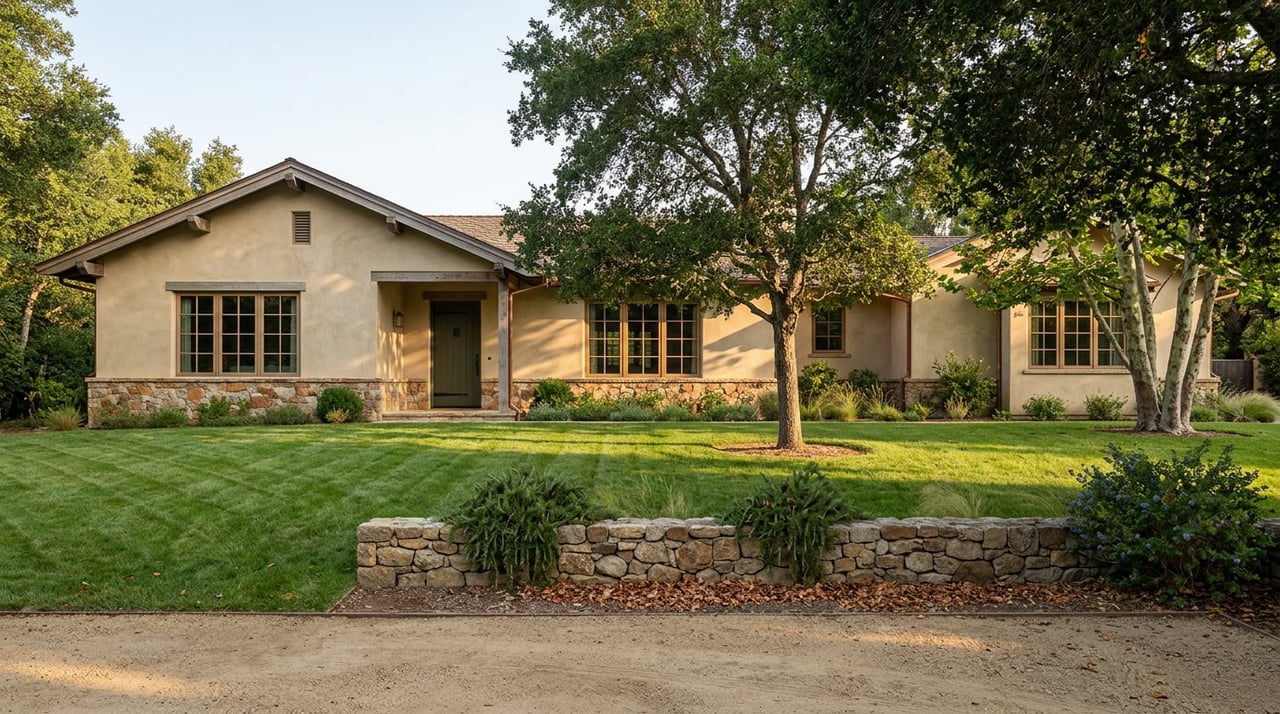
Craftsman and bungalow homes are often what buyers picture first when they think of early 20th-century California character. In Upland, examples may include low-pitched roofs, broad eaves, exposed structural elements, front porches, and natural materials such as cobblestone.
You may also see bracketed entries, porch-centered facades, and foundations or detailing that give the home a grounded, handcrafted feel. These homes often win buyers over with warmth and curb appeal, but they still need a careful evaluation for condition and originality.
Mission and Spanish Revival features
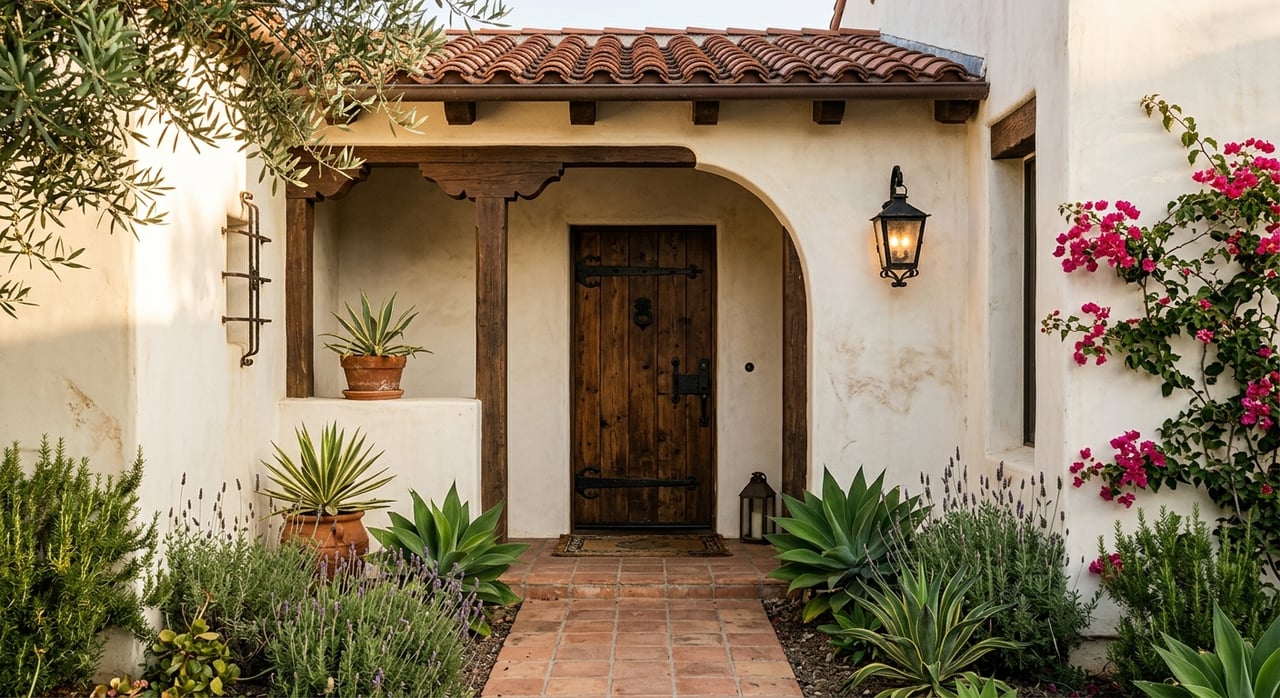
Mission Revival and Spanish Colonial Revival homes bring a different mood. In Upland, these homes may feature stucco exteriors, red tile roofs, arches, parapets, tiled hoods, and patio walls.
If you are drawn to this style family, pay attention to proportion and restraint. These homes often make their impression through simple forms and strong materials rather than heavy ornament.
Colonial Revival and other period styles
Colonial Revival homes in Upland generally reflect symmetry, hipped roofs, front porches, and classically inspired details like columns or pilasters. You may also find American Foursquare and English-inspired homes that add more variety to the local historic mix.
This range is helpful if you want an older home but do not want every option to feel the same. Upland gives you the chance to match your taste to a home’s architecture, not just its age.
What makes a character home the right one
The right character home is not always the one with the most dramatic exterior. A better question is whether the home’s style, condition, layout, and preservation context align with how you want to live.
That starts with understanding what is original and what has changed over time. Upland’s historic-home examples show that some homes still retain original siding, porch structure, and roof details, while others have replacement windows, enclosed porches, pergolas, additions, or landscaping that hides part of the facade.
A house can still be appealing after updates, but you will want to understand what has been altered and whether the home still holds onto the features that gave it character in the first place.
A practical buyer checklist
When you tour older homes in Upland, keep your eye on both charm and fit. A few practical questions can help you sort through options more clearly.
Check historic status early
Start by asking whether the property is a designated historic resource or located within a historic district. In Upland, exterior modifications that alter the appearance of a historic resource require a Certificate of Appropriateness. The city also notes that Mills Act eligibility depends on official designation or location within a historic district.
This matters before you make plans for visible exterior changes. If you love the look of a home but already know you want to rework windows, porches, or exterior materials, you should understand the preservation context early.
Compare original details with later changes
Older homes almost always tell a layered story. Some changes may be minor, while others can affect how much of the original design remains.
As you evaluate a home, ask:
- Which exterior details appear original?
- Have windows been replaced?
- Was the porch enclosed or changed?
- Are there later additions that alter the home’s form?
- Does the landscaping highlight or hide the architecture?
These questions can help you tell the difference between a home with preserved character and one where the original design has been heavily diluted.
Think about layout and light
A beautiful facade is only part of the decision. Upland’s preservation standards emphasize retaining distinctive features, spaces, and spatial relationships, which is a useful reminder for buyers.
Look closely at room flow, window placement, porch connections, and how the home feels in daily use. The best match is often the house whose interior rhythm still works for your lifestyle, not just the one with the prettiest front elevation.
Budget for repair and restoration
If you are buying a true character home, visible maintenance and restoration should be part of the plan. Upland’s preservation guidance prefers repairing existing materials first, then replacing them with the same materials when needed, while preserving architectural details and design elements.
That is why it helps to think beyond cosmetic updates. Older homes may reward careful stewardship more than fast, all-at-once remodeling.
Prioritize inspections
Professional inspections are especially important when a home has original materials, older systems, or signs of multiple alterations over time. This step can help you better understand what is solid, what has been deferred, and what may become a larger project after closing.
For many buyers, inspections are what separate a charming opportunity from an unexpectedly demanding one. Getting clarity early helps you make a more confident decision.
Match the home to the setting
In Upland, choosing the right character home is also about choosing the right setting. Euclid Avenue and the downtown area offer two especially distinct experiences.
| Setting | Best for buyers who want | What stands out |
|---|---|---|
| Euclid Avenue | A scenic, parkway-like environment with a strong historic identity | Mature trees, landscaped median, deep setbacks, preserved corridor character |
| Downtown Upland | A more walkable, event-oriented historic setting | Mixed uses, civic activity, older commercial core, community events |
This is one of the most useful filters in your search. You are not only buying architecture. You are buying into a particular way of living within Upland’s historic fabric.
Why preparation matters when buying older homes
Character homes reward careful decision-making. They often have more nuance than newer properties, from architectural style to preservation considerations to maintenance priorities. That means a thoughtful search process matters.
Having local guidance can make it easier to compare homes, understand how one street or district differs from another, and weigh style against practicality. For buyers who care about design, setting, and long-term livability, that context can make all the difference.
If you are exploring Upland’s character homes and want calm, informed guidance through the process, Concierge Realty Group brings local perspective, detail-oriented support, and a high-touch approach to helping you find the right fit.
FAQs
What makes Upland a strong market for historic homes?
- Upland has nine locally designated historic districts, a local register with more than 580 properties, and major historic resources like Euclid Avenue, making character homes a meaningful part of the city’s identity.
What should buyers know about Euclid Avenue in Upland?
- Euclid Avenue is known for its planned parkway design, large trees, landscaped median, bridle path, and preserved scenic character, which creates a distinctive historic setting.
What architectural styles are common in Upland character homes?
- Buyers may find Craftsman, bungalow, Mission Revival, Spanish Colonial Revival, Colonial Revival, American Foursquare, English-inspired styles, Queen Anne, and Monterey Revival homes.
What should buyers check before changing a historic home in Upland?
- Buyers should verify whether a home is a historic resource or inside a historic district because visible exterior changes may require a Certificate of Appropriateness.
What is the difference between living near Euclid Avenue and downtown Upland?
- Euclid Avenue tends to suit buyers who want a scenic, landscaped historic corridor, while downtown Upland may appeal more to buyers who want a walkable, mixed-use environment with community activity.