If you want a foothill city where weekend plans can include lake time, trail access, and a walk through a historic downtown, San Dimas deserves a closer look. For many buyers, the appeal is not just location, but the way daily life feels once you are there. This guide will help you understand what stands out about San Dimas, what kinds of homes you can expect, and why the city continues to draw people who want both neighborhood comfort and outdoor access. Let’s dive in.
Why San Dimas Stands Out
San Dimas blends residential living with a strong outdoor identity. The city describes itself as a community that grew from a primarily rural area into a balanced mix of residential, commercial, and industrial uses, and Census QuickFacts lists a 2024 population estimate of 33,226.
That balance helps explain why San Dimas feels established and self-contained. The city is about 30 miles east of Los Angeles and is home to more than 1,700 businesses, yet it still reads as a neighborhood-oriented place with a foothill backdrop.
Homeownership is also a meaningful part of the local housing picture. Census QuickFacts reports an owner-occupied housing rate of 71.4%, which supports the sense of long-term residential stability many buyers look for.
Outdoor Living Shapes Daily Life
In San Dimas, outdoor recreation is not an occasional perk. It is part of the city’s identity and part of how many residents spend their time week to week.
Bonelli Park Brings the Lake Lifestyle
One of the city’s defining amenities is Frank G. Bonelli Regional Park. The City says the Bonelli recreational area spans 1,700 acres within San Dimas city boundaries, and Los Angeles County Parks identifies the area as a destination for mountain bikers, hikers, and horseback riders.
The lake setting adds another layer to that lifestyle. County sources also list boating, fishing, camping, and other lake-based recreation, which means the “lakes” part of San Dimas is grounded in real, everyday access to outdoor activities.
For buyers comparing suburban communities, that matters. Not every city offers the chance to pair neighborhood living with a large regional park and water-based recreation close to home.
Trails Are Built Into the City
San Dimas also stands out for how deeply trails are woven into local infrastructure. The City’s trails page lists multi-use routes including Strawberry Trail, Face Trail, Upper Plateau Trail Junction, Poison Oak Trail, and Northern Foothills Trail.
The trail network extends beyond a few isolated paths. San Dimas also references county trails such as Bonelli Regional Park and Antonovich Trail, along with White Fence Border multi-use routes along corridors including Via Verde Avenue, San Dimas Avenue, Foothill Boulevard, and Sycamore Canyon Road.
This is helpful if you want a city where walking, biking, or riding can feel like part of normal life rather than a special trip. The City also publishes trail etiquette for shared use, including yielding rules for bikers, hikers, and equestrians, which reflects how active and mixed-use these routes really are.
A Natural Area Adds Another Option
Beyond the larger park system, San Dimas has a quieter outdoor layer too. The San Dimas Canyon Natural Area and Nature Center, located at 1628 Sycamore Canyon Road, was the first nature center in the Los Angeles County park system and opened in the 1950s.
That gives the city more than one kind of outdoor experience. Alongside lake recreation and regional trails, you also have a more nature-focused setting that adds educational and family-friendly value to the area.
Equestrian and Golf Culture Still Matter
San Dimas has an equestrian identity that is unusually visible for a suburban city. The City says there are more than 27 miles of equestrian trails, and it maintains an Equestrian Commission that advises the City Council on equine matters, trail maintenance, equestrian programs, and preservation of equestrian heritage.
That matters because it shows this is not just a branding detail. Horse-friendly open space and trail use are part of the city’s structure and long-term planning.
Bonelli reinforces that identity as well. Los Angeles County Parks identifies an equestrian center at the park, and the trail system is explicitly shared by riders, hikers, and bikers.
Golf is part of the local recreation mix too. The City identifies San Dimas Canyon Golf Club as a city-owned golf course, adding another established amenity that supports the city’s active, outdoors-oriented feel.
Downtown Has History and Change
San Dimas is not all trails and open space. Its downtown adds a different kind of character, with a historic core that still plays an active role in everyday life.
The Historic Core Feels Lived In
The City describes downtown San Dimas as a traditional American town center with a short but prominent main street. It has identified more than 300 structures as locally significant, state-significant, or potential National Register properties.
That historic fabric is one reason the area feels distinct. The Walker House, built in 1887, remains one of downtown’s defining landmarks, and the Chamber of Commerce is housed in the historic Martin House.
For buyers, that means downtown offers more than old buildings. It has a lived-in historic character that helps anchor the city’s identity.
Downtown Is Also Evolving
At the same time, downtown San Dimas is a focus for long-range planning and future housing growth. The City’s planning materials reference the Downtown Specific Plan and zoning subareas that include Town Core, Transit Village, Gateway Village East, Gateway Village West, Public/Semi-Public, and Open Space.
The City also adopted Objective Design Standards for new multifamily and mixed-use development effective August 21, 2025, with Downtown Specific Plan standards applying inside the downtown plan area. That is a strong sign that downtown is still evolving through active planning and design oversight.
City housing documents also identify downtown as the main opportunity area for mixed-use housing. Existing and planned examples cited by the City include Monte Vista Place above the historic Drug Store, Grove Station, and a nearby proposed project with live-work units, townhomes, and single-family units.
The key takeaway is simple. Downtown San Dimas is growing, but in a measured, planning-driven way rather than as a fully built-out urban district.
What Homes Look Like in San Dimas
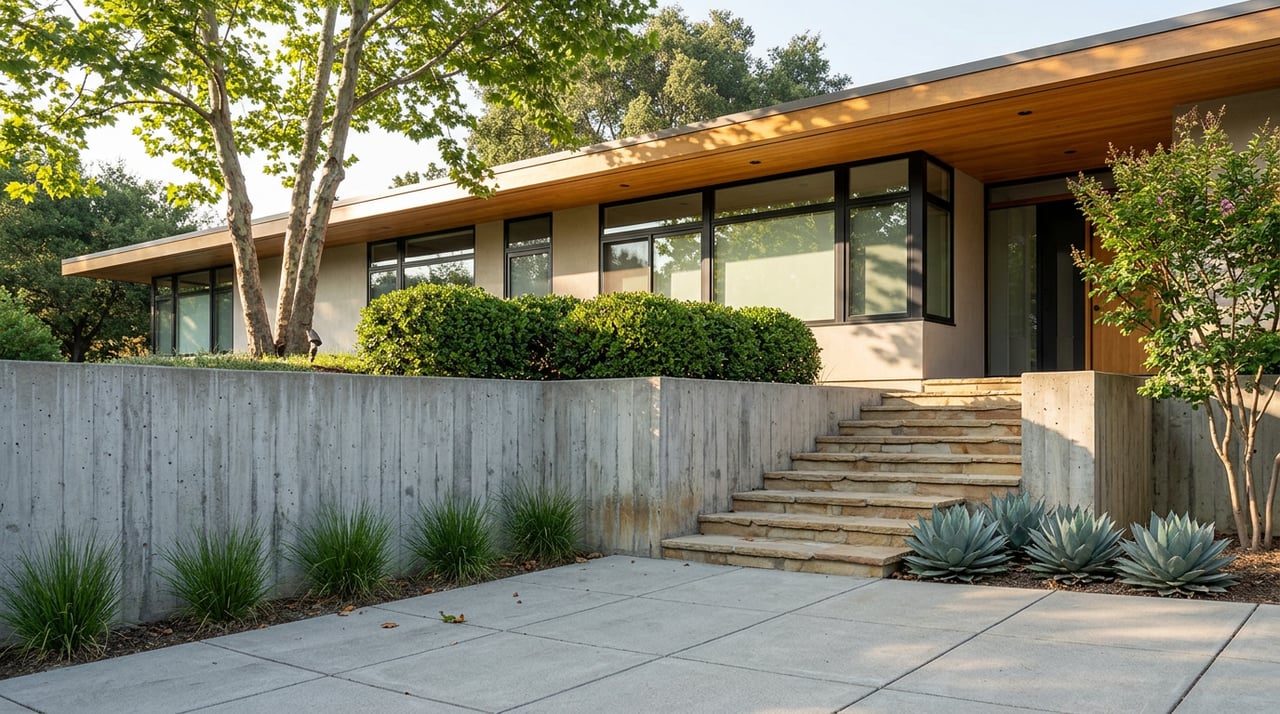
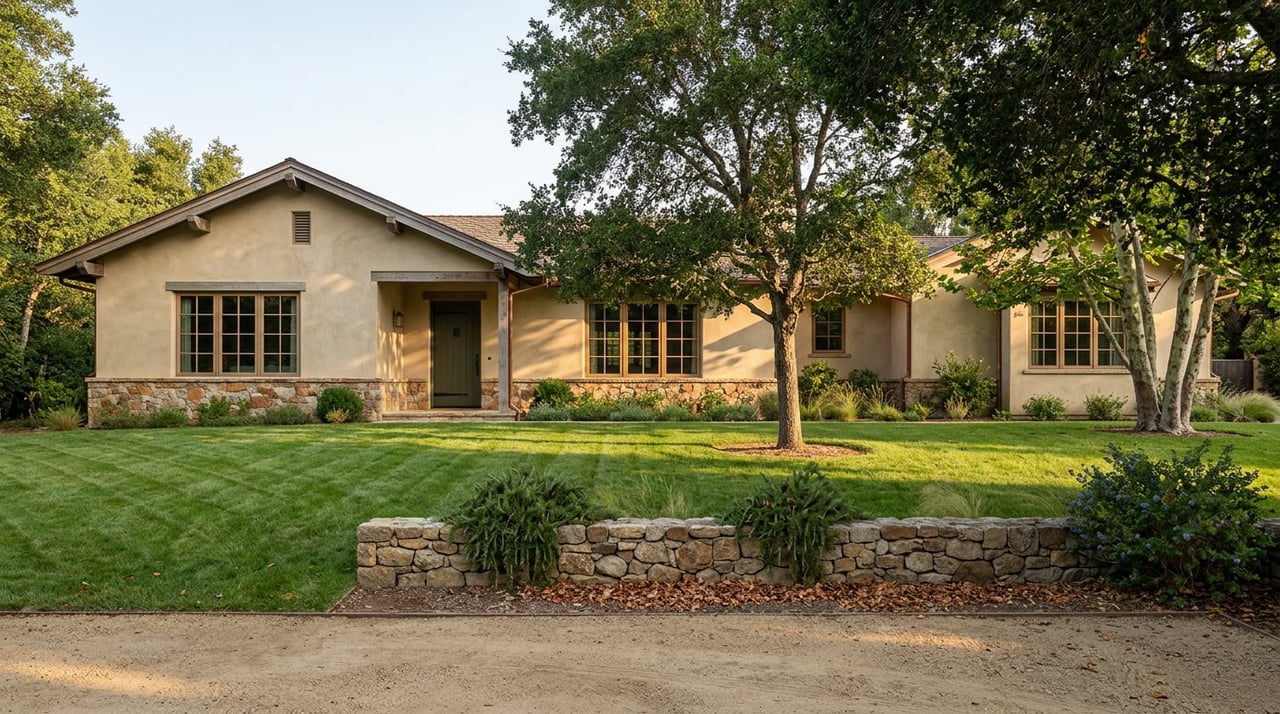
If you are trying to picture the housing stock, San Dimas remains primarily a single-family market. City housing materials describe the local inventory as a broad mix, but predominantly single-family, with about 75% single-family homes, 18% multifamily, and 7% mobile homes.
That shapes how the city feels on the ground. In many parts of San Dimas, you are likely to find established detached-home neighborhoods first, with condos, townhomes, apartments, and mobile-home options playing a smaller but still meaningful role.
Established Neighborhood Homes Lead the Market
For many buyers, the main draw is the city’s neighborhood-oriented housing pattern. Since 2000, the City says residential development has continued to favor single-family homes, even as other housing types have been added.
That means buyers looking for traditional neighborhood homes will still find that as the dominant local product. If your priority is a detached home in an established residential setting, San Dimas aligns well with that goal.
Newer Options Add Flexibility
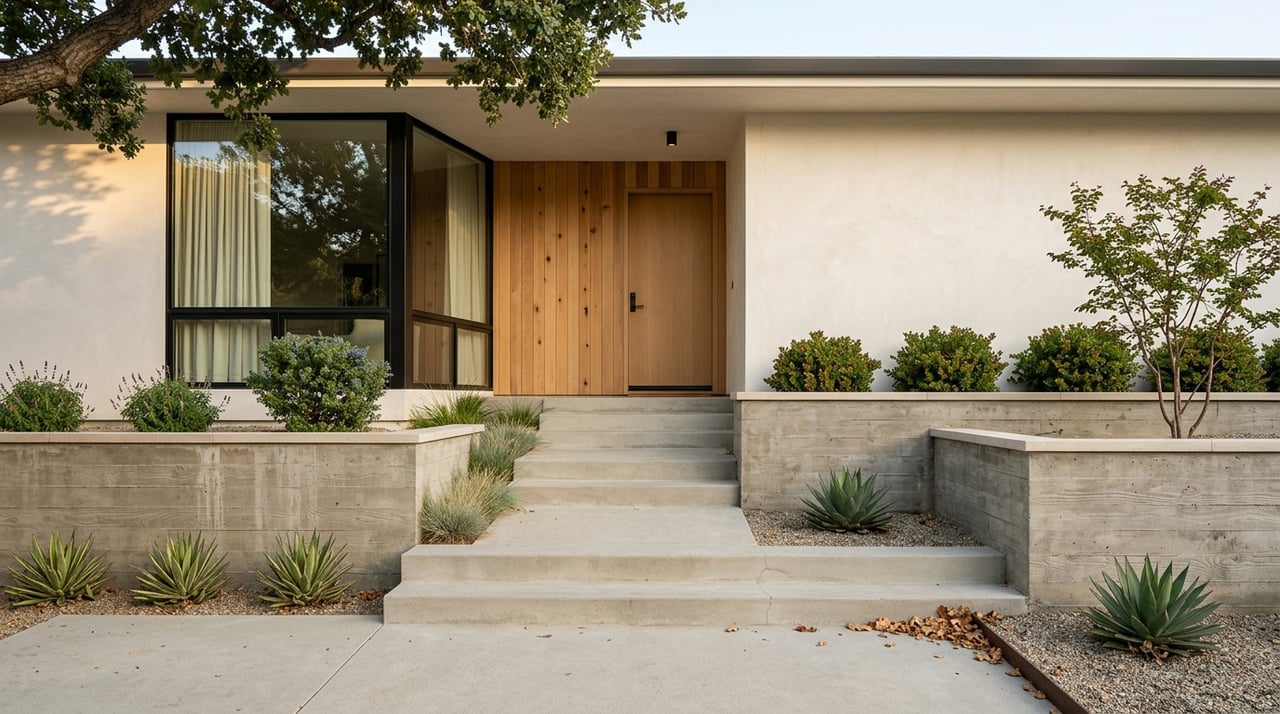
At the same time, the housing mix is not limited to one format. City documents note the addition of apartments, condos, townhomes, and accessory dwelling units, giving buyers and owners more flexibility than the single-family share alone might suggest.
The City also notes that many large lots can accommodate second units and treats ADUs and JADUs as an important housing strategy. That can be especially relevant if you are thinking about multigenerational living or long-term flexibility.
Near downtown, the housing picture changes somewhat. City materials point to a more compact mix that includes live-work units, townhomes, and single-family homes, creating a different feel from the older detached-home streets found elsewhere in the city.
What the Numbers Suggest
San Dimas is not an entry-level market by suburban standards. Census QuickFacts reports a median owner-occupied home value of $756,200, median monthly owner costs with a mortgage of $3,029, and median gross rent of $2,232.
Those numbers help explain the city’s buyer appeal. Many people are drawn to San Dimas because it offers neighborhood-oriented housing, a strong owner-occupied base, and standout recreation in one foothill setting.
For buyers, that often means weighing lifestyle value just as much as square footage. In San Dimas, access to trails, parks, equestrian routes, golf, and a historic downtown can be a meaningful part of the decision.
Who San Dimas May Suit Best
San Dimas can be a strong fit if you want a suburban setting that feels active and established. The city offers a combination that is hard to find in one place: lake recreation, multi-use trails, horse-friendly open space, a historic downtown, and a housing stock that is still largely made up of neighborhood homes.
It may especially appeal to buyers who want options in how they spend their time close to home. Whether that means hiking, biking, horseback riding, boating, golfing, or simply living in a city with a more grounded, small-town core, San Dimas offers a lot of variety within a relatively contained footprint.
If you are comparing San Dimas with other foothill communities, it helps to look beyond the map. The real difference is often in the rhythm of daily life, and San Dimas has a very specific one.
If you want help evaluating San Dimas neighborhoods, comparing housing options, or preparing a move within the foothill market, Concierge Realty Group offers local, hands-on guidance rooted in thoughtful preparation and clear advice.
FAQs
What is San Dimas known for?
- San Dimas is known for its outdoor lifestyle, including Frank G. Bonelli Regional Park, lake recreation, multi-use trails, equestrian routes, golf, and a historic downtown core.
What types of homes are common in San Dimas?
- City housing materials say San Dimas is predominantly single-family, with about 75% single-family homes, plus smaller shares of multifamily and mobile-home housing.
Does San Dimas have trails for hiking and biking?
- Yes. The City lists multiple multi-use trails, and Los Angeles County Parks also identifies shared trail access in and around Bonelli Regional Park for hikers, bikers, and horseback riders.
Is downtown San Dimas historic or newer?
- Downtown San Dimas is historic in character, with a traditional town center and many identified historic structures, but it is also an active focus for mixed-use planning and new housing growth.
Is San Dimas a good option for buyers who want outdoor access?
- San Dimas can be a strong option if outdoor access is a priority because the city offers lake recreation, trails, equestrian routes, natural areas, and golf within its local lifestyle mix.