If you are searching Claremont for a home with space to spread out, single-story living, and a classic Southern California feel, Piedmont Mesa deserves a close look. This pocket on Claremont’s east side offers a distinct mix of post-war character, mature landscaping, and ranch-style homes that continue to resonate with today’s buyers. In this guide, you’ll get a clearer sense of what makes the neighborhood stand out, how it compares with other parts of Claremont, and why it often appeals to buyers looking for both function and long-term livability. Let’s dive in.
Why Piedmont Mesa Stands Out
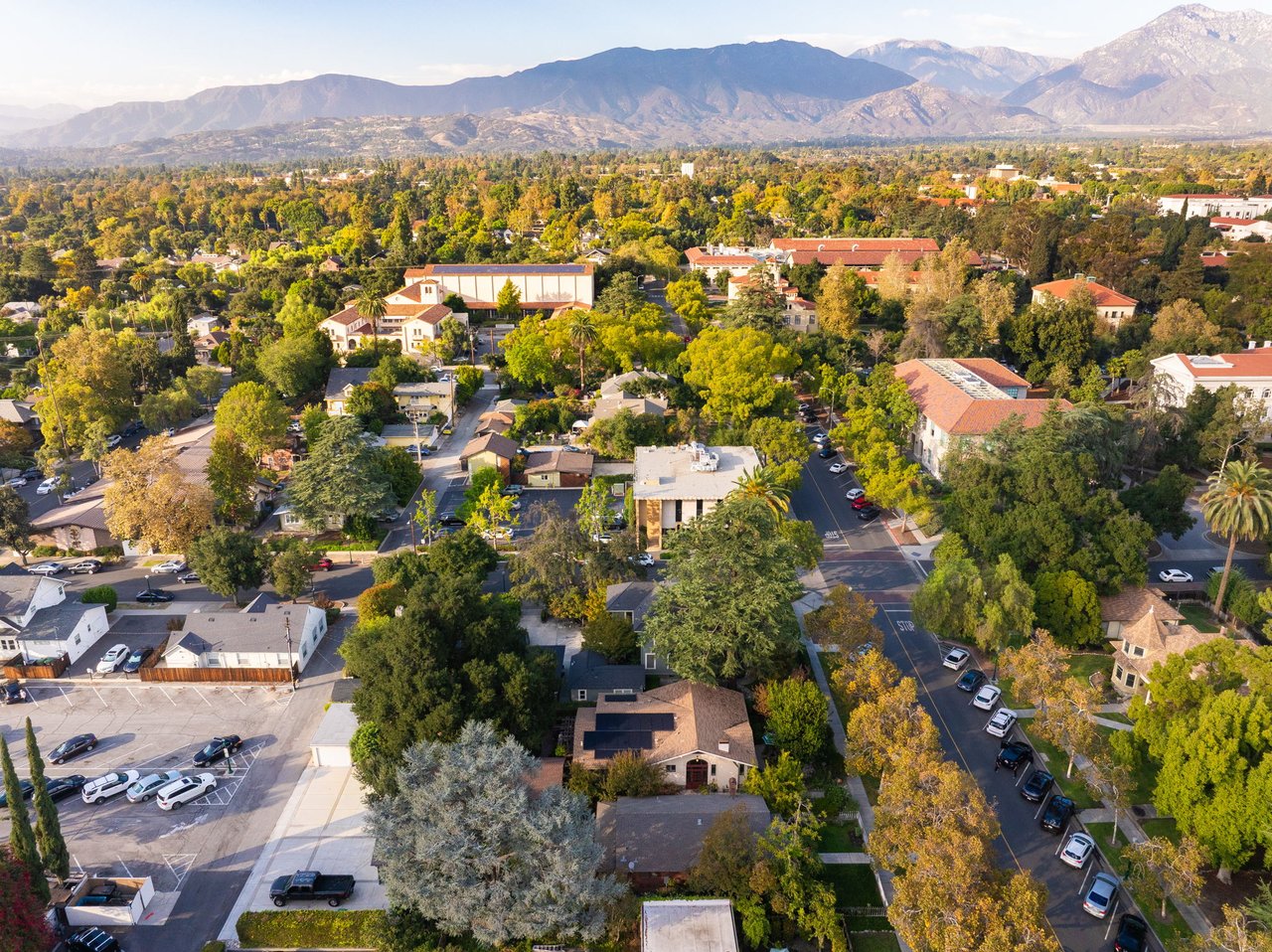
Piedmont Mesa sits on Claremont’s eastern side, north of Thompson Creek and south of Baseline Road, near the Pomona and La Verne edge. According to the City of Claremont’s design guidelines, the area was once tied to the historic Town of Piedmont and was part of an early plan connected to the site eventually known as Piedmont Mesa.
Much of the neighborhood developed after World War II, which gives it a different feel from Claremont’s older streetcar-era districts. Instead of a historic downtown pattern, you will find a more suburban layout shaped by mid-century planning and low-rise residential design.
That setting matters because it helps explain the neighborhood’s appeal today. Piedmont Mesa feels rooted in a period when homes were designed around yard space, garages, and a stronger connection between indoor and outdoor living.
Ranch-Style Homes Define the Neighborhood
One of the biggest draws in Piedmont Mesa is its housing stock. The city describes the neighborhood as mostly single-story, with a few newer two-story homes, and identifies ranch and modern styles as the primary architectural mix.
For many buyers, that mostly single-level profile is a major advantage. It can offer easier day-to-day living, a more open visual feel from the street, and a neighborhood character that stays consistent block to block.
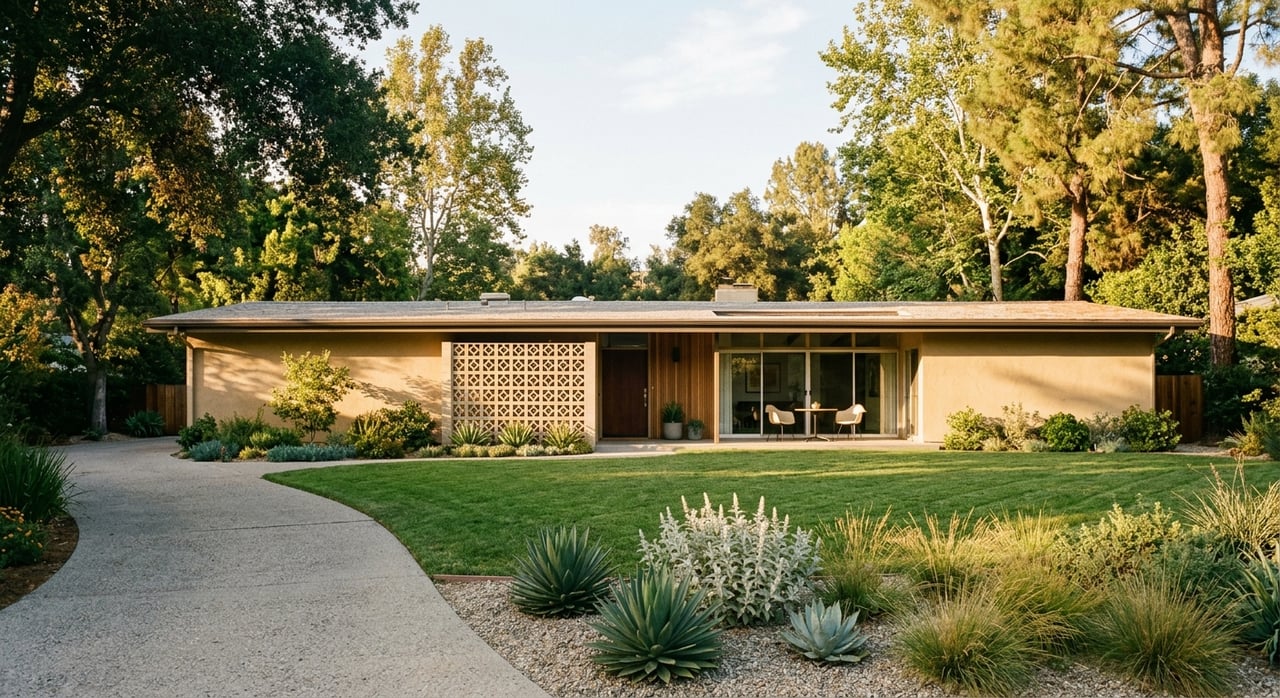
Claremont’s architectural guidelines define the California ranch style in terms that fit Piedmont Mesa closely. These homes are typically one story, often built in wide rectangular, U-shaped, or L-shaped plans, with integrated garages, low-pitched roofs, and large windows or sliding glass doors.
Just as important, ranch homes are known for blending indoor and outdoor space. Patios, decks, and backyard access are often central to the layout, which gives these homes a practical and relaxed Southern California lifestyle appeal.
What Buyers Often Like About Ranch Layouts
Ranch-style homes tend to work well for buyers who want flexibility without too many levels or complicated floor plans. In Piedmont Mesa, that can translate into homes that feel both spacious and easy to navigate.
Common features buyers often appreciate include:
- Single-story living
- Attached garages
- Open or semi-open main living areas
- Large windows and backyard views
- Strong patio or yard connection
- Moderate setbacks that create breathing room from the street
For buyers who value layout over trend, this style often feels timeless rather than dated. It is a practical design language that continues to hold up well.
Lot Sizes Add to the Appeal
The homes are only part of the story. Piedmont Mesa also stands out for parcel sizes that often give owners more outdoor room than they might find in denser parts of Claremont.
Recent listing examples on Piedmont Mesa Road help illustrate the pattern. Reported lot sizes ranged from about 10,684 square feet to roughly 0.45 acres, with several homes sitting on lots between a quarter acre and nearly half an acre.
That kind of space can support a range of priorities depending on your needs. You may want room for outdoor entertaining, gardening, a pool, or simply a more open buffer between neighboring homes.
A Quick Snapshot of Recent Examples
| Address | Year Built | Approx. Size | Lot Size |
|---|---|---|---|
| 4250 Piedmont Mesa Rd | 1959 | 3,107 sq. ft. | 0.45 acres |
| 4258 Piedmont Mesa Rd | 1957 | 2,743 sq. ft. | 0.36 acres |
| 4305 Piedmont Mesa Rd | 1963 | 2,681 sq. ft. | 0.25 acres |
| 4315 Piedmont Mesa Rd | 1958 | 2,020 sq. ft. | 10,684 sq. ft. |
These examples do not define every property in the neighborhood, but they do show a pattern many buyers find attractive: mid-century homes with meaningful square footage on lots that still feel usable and residential in scale.
Mature Trees Shape the Experience
Claremont’s identity is closely tied to its tree canopy. The city states that preserving its community forest is a top priority and notes more than 25,500 city-owned trees, many of them more than 100 years old.
That broader city context helps explain why mature landscaping and tree-lined streets matter so much in places like Piedmont Mesa. The neighborhood’s appeal is not only about house size or floor plan. It is also about the visual softness and established feel created by trees, setbacks, and lower-scale development.
For buyers comparing several Claremont neighborhoods, this can be an important difference. A mature landscape often makes a neighborhood feel more settled from the start.
What the Street Pattern Feels Like
Piedmont Mesa reflects a post-war suburban layout rather than a walkable mixed-use district. The city describes very few sidewalks, limited connectivity between sub-areas, and some older alleys within the neighborhood.
That design can shape your day-to-day experience in practical ways. If you are looking for a neighborhood where residential feel and lower-scale surroundings matter more than strong pedestrian connectivity, Piedmont Mesa may align well with that preference.
At the same time, it is helpful to go in with clear expectations. This is not the part of Claremont most defined by sidewalk networks or easy walking access to shops and services.
Why Buyers Are Drawn to Piedmont Mesa
The neighborhood tends to attract buyers who value space, simplicity, and architectural consistency. Based on the city’s descriptions, its appeal is closely tied to single-story homes, mature trees, attached garages, moderate setbacks, and a quieter-feeling residential environment.
In a market where many buyers are balancing layout, lot size, and neighborhood character all at once, Piedmont Mesa offers a fairly specific combination. You are not just buying a house here. You are buying into a low-scale residential setting with a clear visual identity.
Another factor is availability. Realtor.com’s April 2026 local market page showed only two active homes for sale in Piedmont Mesa, which suggests this is a relatively small and thinly traded submarket.
That limited supply can matter if you are trying to buy here. When inventory is tight in a niche neighborhood, being prepared and acting decisively can become especially important.
How Piedmont Mesa Compares in Claremont
Claremont has several distinct micro-neighborhoods, and each tends to attract buyers for different reasons. Piedmont Mesa compares well if your priorities center on ranch-style homes, lower-scale streetscapes, and larger residential parcels.
Piedmont Mesa vs. North Claremont
The city describes North Claremont as mostly a 1970s neighborhood with winding streets, cul-de-sacs, larger lots, sidewalks, and trails. Homes there include one- and two-story southwestern and ranch-style properties.
Compared with Piedmont Mesa, North Claremont is newer in build-out and more internally connected. If you prefer a more subdivision-like street pattern, North Claremont may feel more organized in that way, while Piedmont Mesa feels more rooted in an earlier post-war pattern.
Piedmont Mesa vs. Claraboya/Highpoint
Claraboya is described by the city as a 1960s hillside development with mostly single-story homes set into terraces so each house has a valley view. The homes are described as large and modern, and the area has no sidewalks.
For buyers, the distinction is fairly clear. Claraboya is more tied to hillside siting and view orientation, while Piedmont Mesa offers a flatter setting and a more traditional neighborhood layout.
Piedmont Mesa vs. Thompson Creek
The city describes Thompson Creek as a small enclave of larger single-family homes with generous lot sizes, cul-de-sacs, and limited access to surrounding areas. That gives it a more enclosed feel.
If you want large lots but prefer a neighborhood that feels less enclave-like, Piedmont Mesa may be the better fit. Both offer residential scale, but their access patterns and street feel differ.
Piedmont Mesa vs. The Village
The Village and Village Residential areas offer something very different. The city describes The Village as pedestrian-oriented, with mature trees, rock curbs, and walkable character, while Village Residential includes apartments, condominiums, and townhomes within walking distance of services and the commuter train depot.
If your goal is walkability and a mixed-use environment, the west-side Village area may be a stronger match. If you want detached ranch-house space and a more suburban residential pattern, Piedmont Mesa likely makes more sense.
What to Keep in Mind as a Buyer
Piedmont Mesa is appealing partly because it is not trying to be everything at once. Its strength is clarity. You are looking at a neighborhood known for low-scale homes, mid-century roots, mature landscaping, and more generous lots than many buyers expect.
As you evaluate homes here, focus on the traits that matter most over time:
- Floor plan flow and single-story functionality
- Lot usability, not just lot size on paper
- Condition of original versus updated features
- Relationship between indoor living spaces and outdoor areas
- Street feel and overall block consistency
- Inventory timing in a smaller neighborhood market
Because the neighborhood is relatively thinly traded, local context matters. When a home becomes available in a niche area like this, understanding how it fits the broader Piedmont Mesa pattern can help you make a more confident decision.
If you are weighing Piedmont Mesa against other parts of Claremont, it often helps to compare them through your daily priorities rather than broad labels. The right fit may come down to whether you value walkability, views, lot size, single-story living, or a quieter residential setting most.
For buyers who are drawn to classic California ranch design, established landscaping, and homes with room to breathe, Piedmont Mesa remains one of Claremont’s most distinctive options. If you want help comparing micro-neighborhoods, evaluating available homes, or building a smart strategy in a low-inventory pocket, Concierge Realty Group can help you navigate the Claremont market with local insight and a steady hand.
FAQs
What is Piedmont Mesa in Claremont known for?
- Piedmont Mesa is known for its mostly single-story homes, ranch-style architecture, mature trees, moderate setbacks, and post-war suburban character.
What types of homes are common in Piedmont Mesa?
- The City of Claremont describes Piedmont Mesa as a mix of ranch and modern homes, with most properties being single-story and only a few newer two-story homes.
Are lot sizes in Piedmont Mesa larger than in other Claremont areas?
- Recent examples on Piedmont Mesa Road suggest many lots fall roughly between a quarter acre and nearly half an acre, though sizes vary by property.
Is Piedmont Mesa a walkable neighborhood in Claremont?
- The city describes the neighborhood as having very few sidewalks and limited connectivity between sub-areas, so it is generally not defined by walkability.
How does Piedmont Mesa compare with The Village in Claremont?
- Piedmont Mesa is more focused on detached homes, yard space, and a low-scale residential feel, while The Village area is described as more pedestrian-oriented and closer to services and the commuter train depot.
Why can buying in Piedmont Mesa be competitive?
- Piedmont Mesa is a relatively small submarket, and an April 2026 market snapshot showed only two active homes for sale, which suggests inventory can be limited.