If you want a Claremont lifestyle where coffee, dinner, errands, art, and the train can all sit within a short walk, Claremont Village deserves a close look. For many buyers, the appeal is not just the homes. It is the rhythm of daily life in a historic downtown that feels compact, active, and easy to navigate. In this guide, you will get a clear picture of what living near the Village can actually feel like, what kinds of homes are most common, and how mobility works day to day. Let’s dive in.
What Claremont Village feels like
Claremont Village is the historic downtown core of Claremont, and its design reflects that role. Local destination and city materials describe the area as pedestrian-oriented, with village-scale architecture, walkable blocks, and a strong sense of cultural and architectural heritage. You can read more about the area in the city and visitor overview of Claremont Village.
In practical terms, daily activity tends to center around the Historic Depot and First Street, along with Yale Avenue, Harvard Avenue, and Shelton Park. That gives the Village a more neighborhood-like feel than a typical suburban shopping district. Instead of one large center surrounded by big parking fields, you are moving through a compact downtown with storefronts, public spaces, and homes nearby.
Why walkability stands out
One of the biggest reasons people look near the Village is simple: you can do more on foot. With shops, restaurants, bakeries, galleries, and entertainment clustered in a relatively small area, many day-to-day outings can happen without getting in the car every time. According to Discover Claremont, the Village includes more than 150 shops, restaurants, bakeries, art galleries, day spas, boutiques, entertainment venues, hotels, and lounges.
That does not mean life here is fully car-free. In most cases, it is more accurate to think of the Village as car-light. You may be able to walk for coffee, dinner, a movie, a market stop, or the train, while still relying on a car for longer regional trips, larger shopping runs, or parts of your work commute.
Daily errands and local routines
Living near Claremont Village often means your routine can become more flexible. A quick morning coffee run, a casual dinner out, or a weekend stroll through downtown can fit naturally into your schedule because the environment is built for shorter trips and pedestrian activity.
The Village also works well for people who value variety close to home. On one block, you may find a bakery or restaurant, and on another, a boutique, gallery, or service business. That mix of uses is part of what makes the area feel active throughout the week rather than busy only during major events.
Arts and events shape the lifestyle
The Village is not only about convenience. It is also one of Claremont’s key gathering places. Cultural anchors include the Claremont Lewis Museum of Art in the historic Depot and Shelton Park’s outdoor stage, which hosts concerts and community events.
Recurring events help create a steady downtown rhythm. Friday Nights Live runs on Friday evenings from the first Friday in May through the last Friday in October, the Claremont Village Art Walk takes place on the first Saturday, and the Sunday Farmers & Artisans Market is part of the weekly calendar. Seasonal traditions such as the Holiday Promenade and Tree Lighting Ceremony also reinforce the Village as a community hub.
Transit access in the Village
For buyers who want options beyond driving, transit is a major part of the Village story. The Claremont Metrolink Station sits at the Historic Depot on First Street, right in the heart of the area. The city’s Metrolink Station information notes free passenger parking, 396 spaces, overnight parking in the First Street lot east of College Avenue, and connections to Foothill Transit, Claremont Dial-A-Ride, Pomona Valley Transit Dial-A-Ride & Get About Shuttle, Amtrak ThruWay Bus, and Rally.
That kind of access can make the Village especially appealing if you want to combine walking with rail or shuttle options. Even if you are not commuting every day, having the station nearby can add flexibility for work trips, regional outings, and guests arriving by train.
How Claremont is planning for more mobility
Claremont is also planning with walking, biking, and transit in mind. The city’s Active Transportation Plan is intended to make Claremont more walkable, bikeable, and transit-oriented, with ties to Village South and the future rail expansion.
The future A Line extension is another topic buyers often ask about. According to the Foothill Gold Line project FAQ, major construction on the Pomona-to-Claremont extension is expected in late 2027 or early 2028, with roughly four years of construction to reach Claremont. That same source estimates future travel times of about 38 minutes from Claremont to Pasadena and 67 minutes to Union Station.
Parking and driving expectations
Even in a walkable downtown, parking still matters. The Village has a managed parking system that includes three-hour lots, two-hour street parking in much of the core, and all-day lots farther from the center. The city outlines those details on its Village parking page.
For residents, that usually means balancing walkability with practical driving habits. You may choose to leave the car parked for many local outings, but you will still want to understand parking patterns, especially if you entertain often, commute regularly, or prefer quick access to longer-distance destinations.
What kinds of homes are near the Village
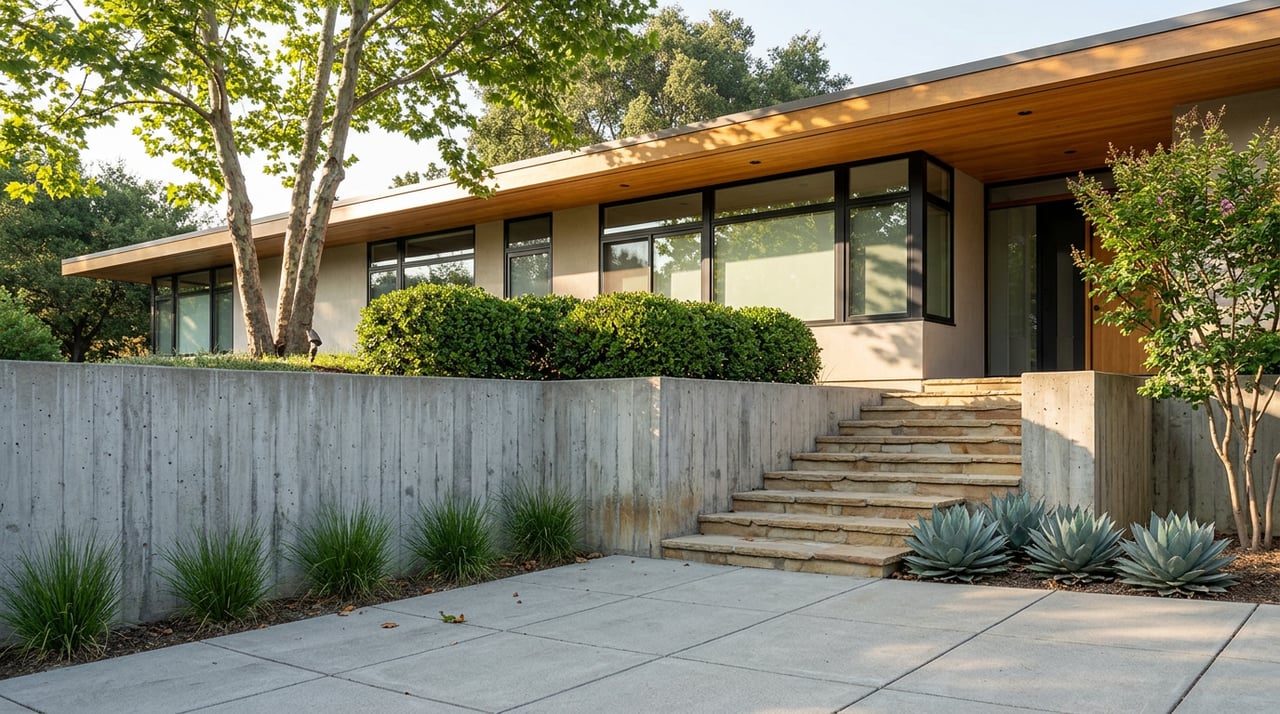
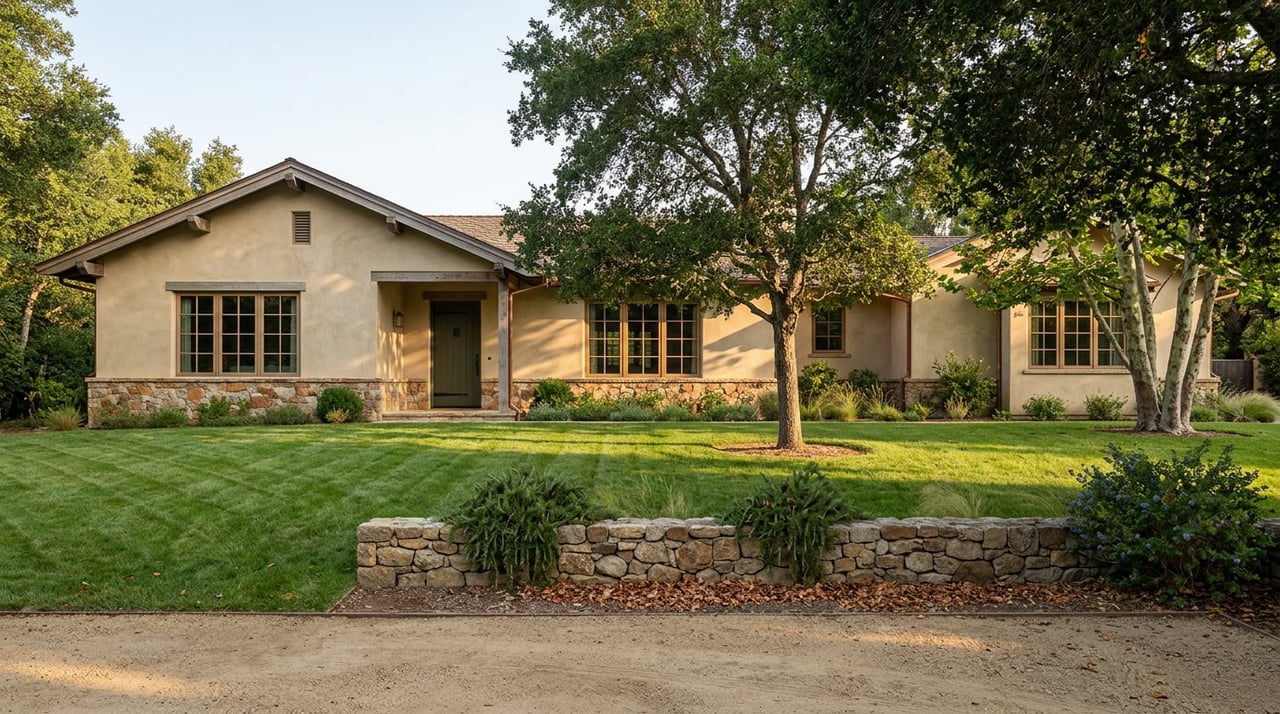
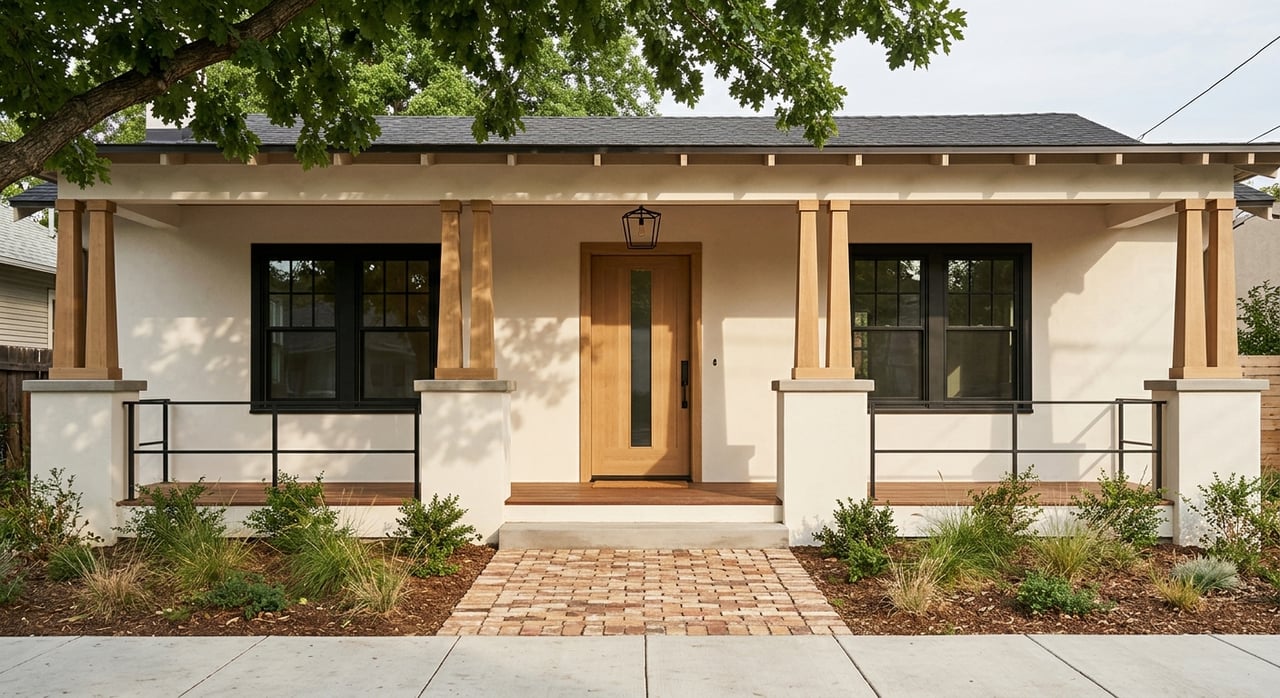
Housing near Claremont Village is one of the area’s most interesting features because it is more varied than many buyers expect. Claremont overall is known for stately single-family homes, including many older properties with historic character, but the city also includes condominiums, townhouses, and apartment living. The city’s About Claremont page notes that historic housing includes revival-style homes and bungalows.
Closer to the Village, the housing mix becomes more urban and more attached. The Foothill Gold Line Claremont page describes Village Walk as including 173 homes made up of condominium lofts, townhomes, and duplexes near the Packing House, storefronts, arts and entertainment venues, and the Laemmle theater complex.
How Village housing differs from other Claremont areas
Compared with many other parts of Claremont, Village-adjacent housing often leans denser, more mixed-use, and more oriented to walking access. That can be a strong fit if you want lower-maintenance living, attached housing options, or a location that puts dining, culture, and transit close by.
Other parts of Claremont generally feel more residential and lower-density. If your priority is a larger lot, a quieter street pattern, or a more traditional detached-home setting, you may find those options more often outside the Village core. If your priority is convenience and a downtown lifestyle, Village-adjacent housing may feel more aligned.
Village South and future change
The Village area is still evolving. The Village South Specific Plan covers a 24-acre area immediately south of the original Village and is intended for transit-oriented mixed-use development. The city’s guiding principles include complete streets, human-scale urban design, walkable blocks, pedestrian-oriented frontages, shared parking, and community health.
As of April 2026, the city is reviewing a revised preliminary application for a 140-unit all-townhome Village South project. For buyers, that is a reminder that this part of Claremont is not static. It is a living district with ongoing planning that may continue to expand attached housing choices and strengthen the pedestrian-oriented fabric over time.
Is Claremont Village right for you?
Claremont Village can be a strong fit if you want your home to connect closely with your everyday routine. You may appreciate being able to walk to dining, events, small businesses, and transit while still living in a place with historic character and a distinct local identity.
It may be especially appealing if you are looking for:
- A more walkable daily lifestyle
- Access to shops, dining, and arts close to home
- Transit connections through the Metrolink station
- Attached housing options such as condos, lofts, townhomes, or duplexes
- A location with ongoing investment and planning interest
The best fit depends on how you actually live. If you value easy access and a compact downtown setting, the Village can offer something rare in the foothill market.
If you are considering a move in or around Claremont, Concierge Realty Group can help you compare Village living with other Claremont neighborhoods and find the right fit for your lifestyle, timeline, and goals.
FAQs
What is daily life like near Claremont Village?
- Daily life near Claremont Village often includes easy access to restaurants, shops, arts venues, events, and the Historic Depot area, with many outings possible on foot.
Can you live near Claremont Village without driving every day?
- Many errands, dining trips, and entertainment outings can happen within walking distance, and the Metrolink station adds transit flexibility, but most residents will still use a car for some regional travel and routine needs.
What housing types are available near Claremont Village?
- Housing near the Village can include historic detached homes, condominiums, lofts, townhomes, duplexes, and other mixed-use or attached housing options.
How does Claremont Village parking work for residents and visitors?
- Village parking includes three-hour lots, two-hour street parking in much of the core, and all-day lots farther out, so it helps to understand the parking layout if you plan to spend a lot of time downtown.
What is planned for Claremont Village South?
- Village South is a 24-acre area planned for transit-oriented mixed-use development, with goals that include walkable streets, human-scale design, and additional housing options near the Village.
How does Claremont Village differ from other Claremont neighborhoods?
- Claremont Village generally feels more compact, mixed-use, and pedestrian-oriented, while many other parts of Claremont skew more residential, lower-density, and detached-home oriented.