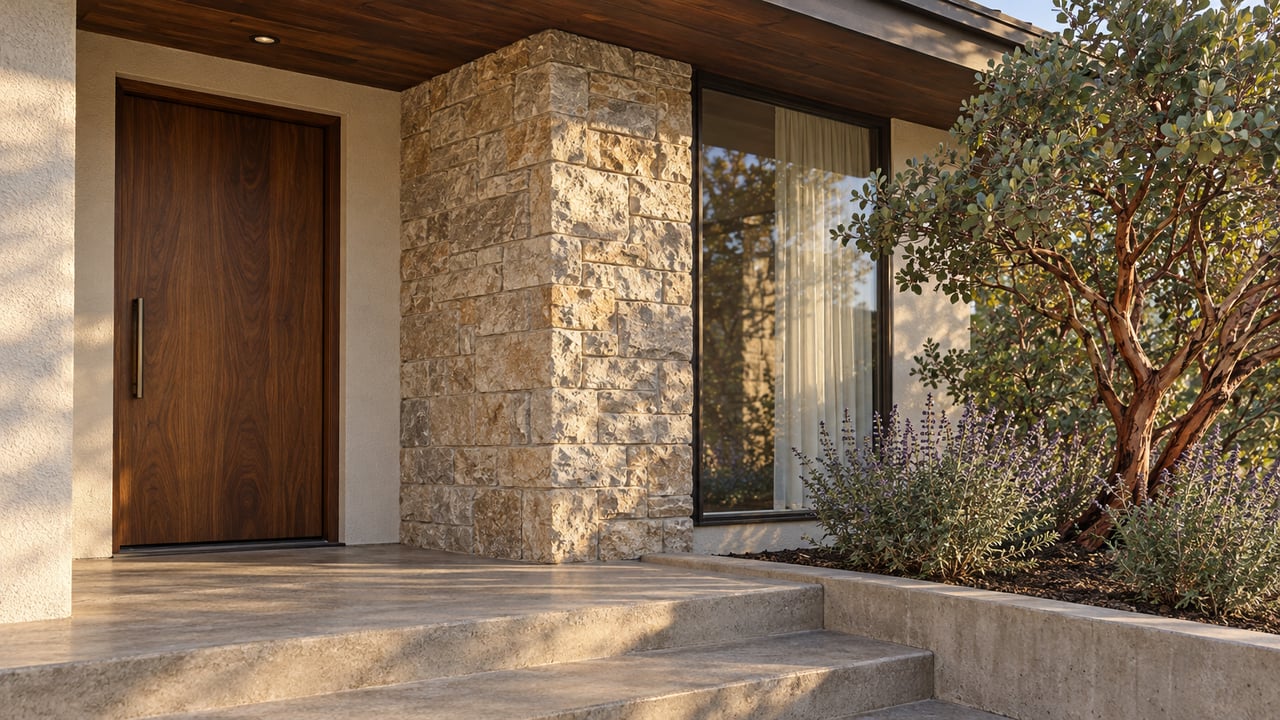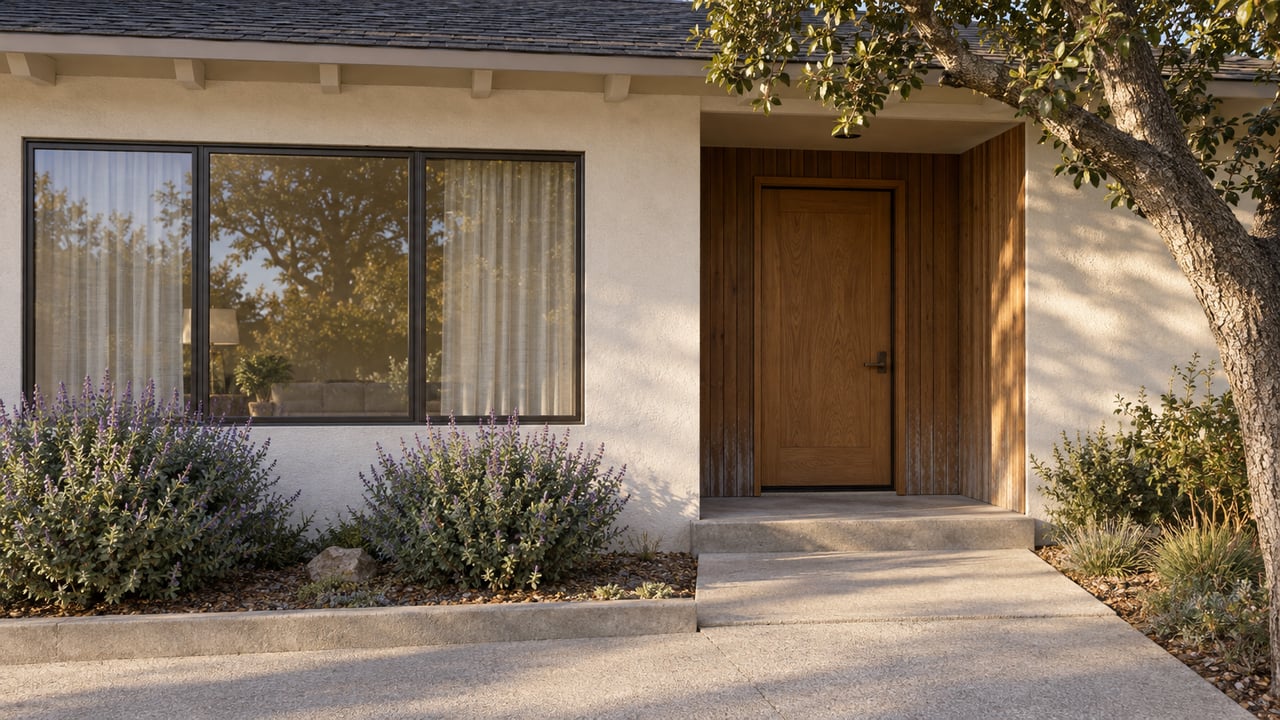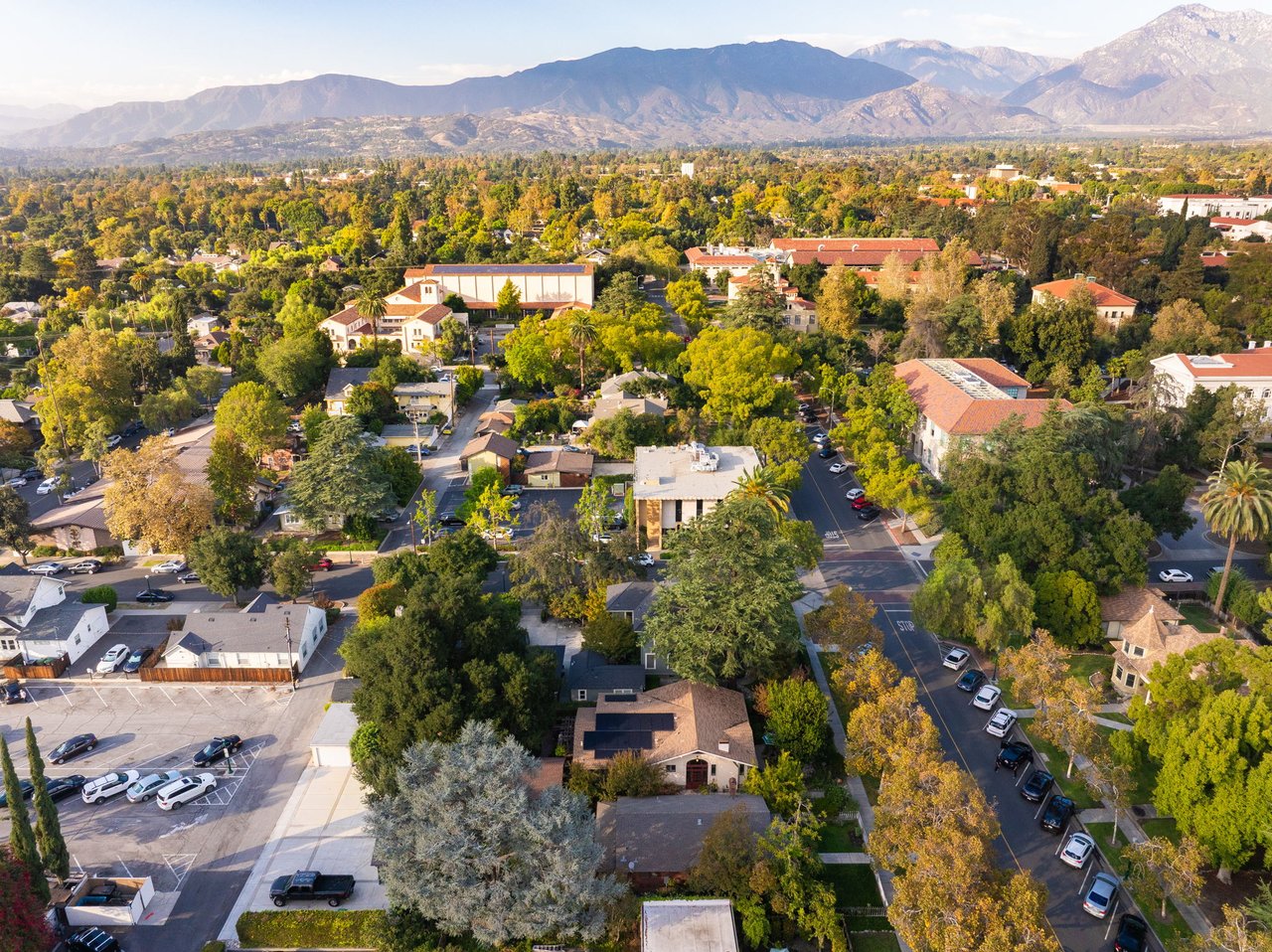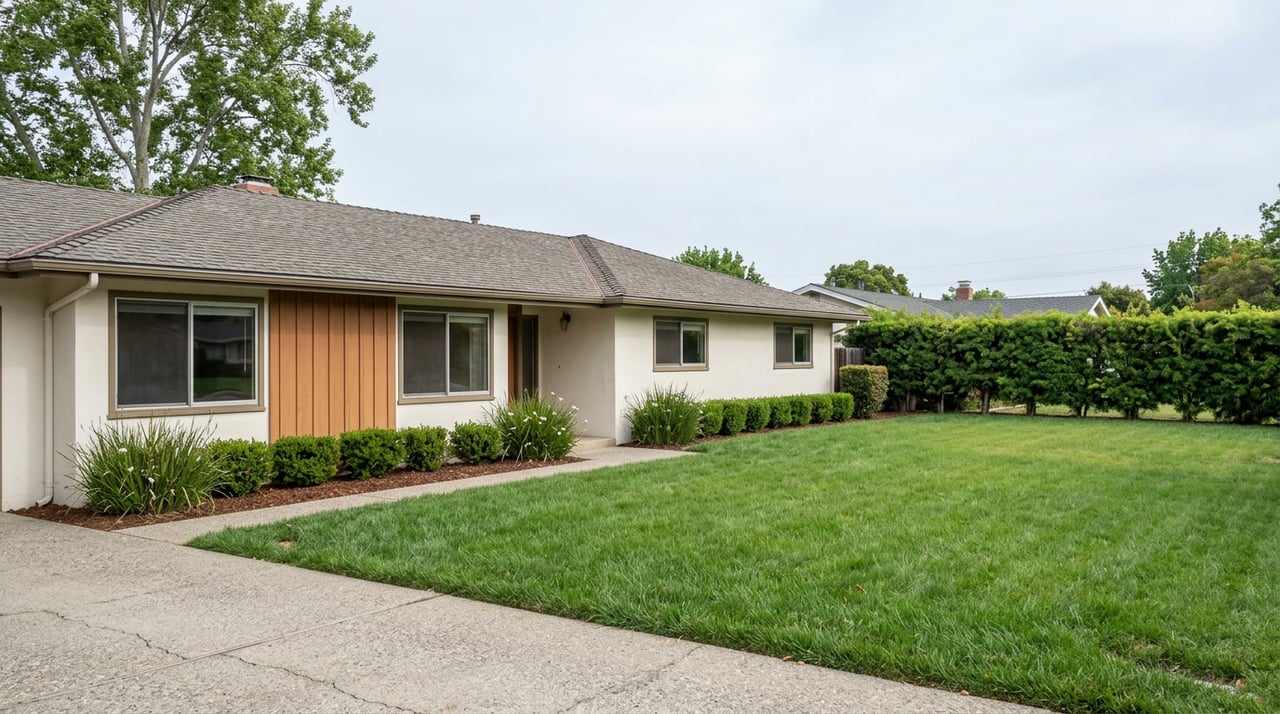
The pitch for Piedmont Mesa has always been simple: more land for less money. Ranch-style homes on lots stretching toward half an acre, set along the city's north/west edge, a quieter grid than the walkable blocks around Claremont Village, and a price tag that still lets you buy space instead of proximity. That pitch is still true. It is also no longer the whole story.
California's SB9 lot-split law has been on the books for close to five years now, as ADU West Coast notes. Claremont has already used it. According to Citizen Portal, a parcel map cleared the city's ministerial review process earlier in 2026, meaning a single-family lot became two legal parcels without a public hearing or an environmental review. That single approval matters more in Piedmont Mesa than almost anywhere else in the city, where large lots are part of the neighborhood's appeal. A half-acre lot in Piedmont Mesa isn't just a bigger yard anymore. It's a parcel whose size is one factor in how the neighborhood should be valued, not just how it looks from the street.
What SB9 Actually Lets You Build on a Lot Like This
SB9, formally the California HOME Act, took effect January 1, 2022. According to the California Department of Housing and Community Development, SB9 does two things on an eligible single-family lot: it allows up to two primary housing units on the existing parcel without a split, and separately, it allows an owner to split that parcel into two lots, each of which can then support up to two units. Split a qualifying lot in half and you can end up with four units where one house used to stand. Both paths use ministerial approval, which means the city cannot require a hearing before the Planning Commission or the Historic Preservation Commission, and the project skips CEQA environmental review entirely.
Claremont layers its own rules on top of the state law. According to CityStructure, new units built under SB9 in the city need to be at least 800 square feet. Side and rear setbacks run up to four feet, except when a new structure matches the size and footprint of an existing one, in which case no setback applies at all. Parking is capped at one space per unit, and that requirement disappears if the property sits within half a mile of a high-quality transit corridor or has access to a car-share vehicle within a block. None of this requires a discretionary vote. It requires a complete application.
A large, deep lot with room to place a second structure away from the existing house is close to the ideal case the law was written for. That describes a meaningful share of what's on the market in Piedmont Mesa right now.
Claremont Has Already Done This Once
The reason this isn't a hypothetical is a Planning Commission staff report from earlier in 2026, which confirmed that Claremont's City Council had authorized a ministerial parcel map under SB9, a two-lot subdivision that did not go through discretionary review. Staff also flagged an upcoming update to the city's ADU ordinance for commissioners to review. The point isn't that Piedmont Mesa itself was the site of that split. It's that the mechanism is no longer theoretical in this city. Claremont's planning department has processed one, and the ordinance update signals the city expects more.
That's a different fact pattern than "a state law exists somewhere." It's a local government confirming the process works as written, on a timeline that doesn't involve your neighbors weighing in.
In its Piedmont Mesa neighborhood guide, Homes.com quotes Piedmont Mesa resident and Concierge Realty Group agent Joseph Porreca describing the neighborhood's appeal in plainer terms: people sometimes pass on it because it can feel cut off, "like it's on an island," bordered by the creek and set apart from the Village's foot traffic. But he's pointed out that residents who know the area understand what that isolation actually buys them: quiet streets and homes that move quickly once they hit the market, often on lots you simply can't find closer to downtown for the same price. That description still holds. It just now comes with an asterisk about what "isolated" and "large lot" mean once a lot's size is also a development variable.
The Math the Median Price Doesn't Show
As of January 2026, Piedmont Mesa's median home price sat at $1,010,000, with an average sale price of $973,625 and homes spending about 63 days on the market, well above the roughly 53-day national average at the time. Over the trailing twelve months through that point, the neighborhood's median had actually declined 6% to $962,500.
Compare that to the city as a whole. Redfin's data for the three months ending May 2026 put Claremont's citywide median at $1.1 million, up 1.4% year over year, with homes selling in about 35 days on average. Zillow's home value index, updated through the end of August 2026, showed Claremont's typical home value at $1,017,826, up 2.2% over the prior year.
Piedmont Mesa's median in January wasn't meaningfully below Claremont's citywide figures a few months later. That's worth sitting with. The neighborhood's reputation is built on getting more land for less money than you'd pay closer to the Village, but the price gap on paper is thinner than the reputation suggests, and the days-on-market gap runs the other direction, with Piedmont Mesa homes taking longer to sell than the city average. None of that means the land isn't valuable. It means the value isn't showing up as a discount the way the "hidden gem" story implies. It may be showing up as something closer to parity, which raises the real question: parity for what, exactly, if two of those lots could eventually become four housing units instead of one?
Not Every Lot Qualifies, and That Cuts Both Ways
SB9 eligibility isn't automatic. A parcel needs to sit within a single-family (R1) zone and within a U.S. Census-defined urbanized area, which covers essentially all of Claremont. A split can't create a new lot smaller than 1,200 square feet, and neither resulting lot can fall outside a 40 to 60 percent range of the original parcel's size, so an owner can't carve off a token sliver and call it done. Adjacent lots can't both be split by the same owner or someone acting on their behalf. Properties with historic landmark status have generally been excluded, though AB1061, effective January 1, 2026, opened a narrow path for SB9 projects inside historic districts as long as no contributing structure is demolished or altered.
For a typical Piedmont Mesa parcel in the 10,000 to 20,000 square foot range, the split-ratio math clears easily. That's the double-edged part. The same generous lot sizing that makes the neighborhood feel spacious and private is the profile that sails through SB9's eligibility screen with the fewest obstacles.
Questions Worth Asking Before You Write an Offer
- What is the property's exact recorded lot size, and does it clear 1,200 square feet on each side of a hypothetical 40/60 split?
- Is the parcel zoned R1, and does the city's parcel viewer confirm it sits within the Census-defined urbanized area?
- Has this address, or the parcel next to it, already had an SB9 application filed with the city?
- Is the property subject to any historic designation, and if so, does the AB1061 exception from 2026 change what's possible?
- If you're the seller, does your disclosure package need to mention any existing SB9 inquiry or pre-application on the property?
None of these questions require a lawyer to ask up front. They require pulling the parcel record and calling the city's planning counter, which any buyer or seller can do before an offer is drafted.
A Few Direct Answers
Does SB9 eligibility lower the value of my home in Piedmont Mesa? Not based on anything in the current data. Split-eligible land generally carries more optionality, not less,
Will Piedmont Mesa suddenly fill in with duplexes? Nothing in the current permitting data suggests that. Claremont has processed one confirmed SB9 parcel map so far. Ministerial approval removes the hearing, not the cost, design work, and construction timeline that still make a split a real financial decision for an owner.
How do I find out if a specific address qualifies? Claremont's planning department can confirm zoning and parcel status, and the recorded lot size is public record. That's the starting point before assuming anything about a property's split potential.
Piedmont Mesa's big lots are still what draw people in, and the neighborhood's quiet is still real. What's changed is that the size on the listing sheet now means something beyond square footage on a plat map. If you're weighing a purchase here, or wondering what a large parcel you already own is actually worth, Concierge Realty Group can walk through the specifics with you, parcel by parcel. Schedule a Consultation to talk through what your lot, or the one you're considering, actually qualifies for.
This article is general information, not legal, tax or financial advice. Consult a qualified professional about your situation.